
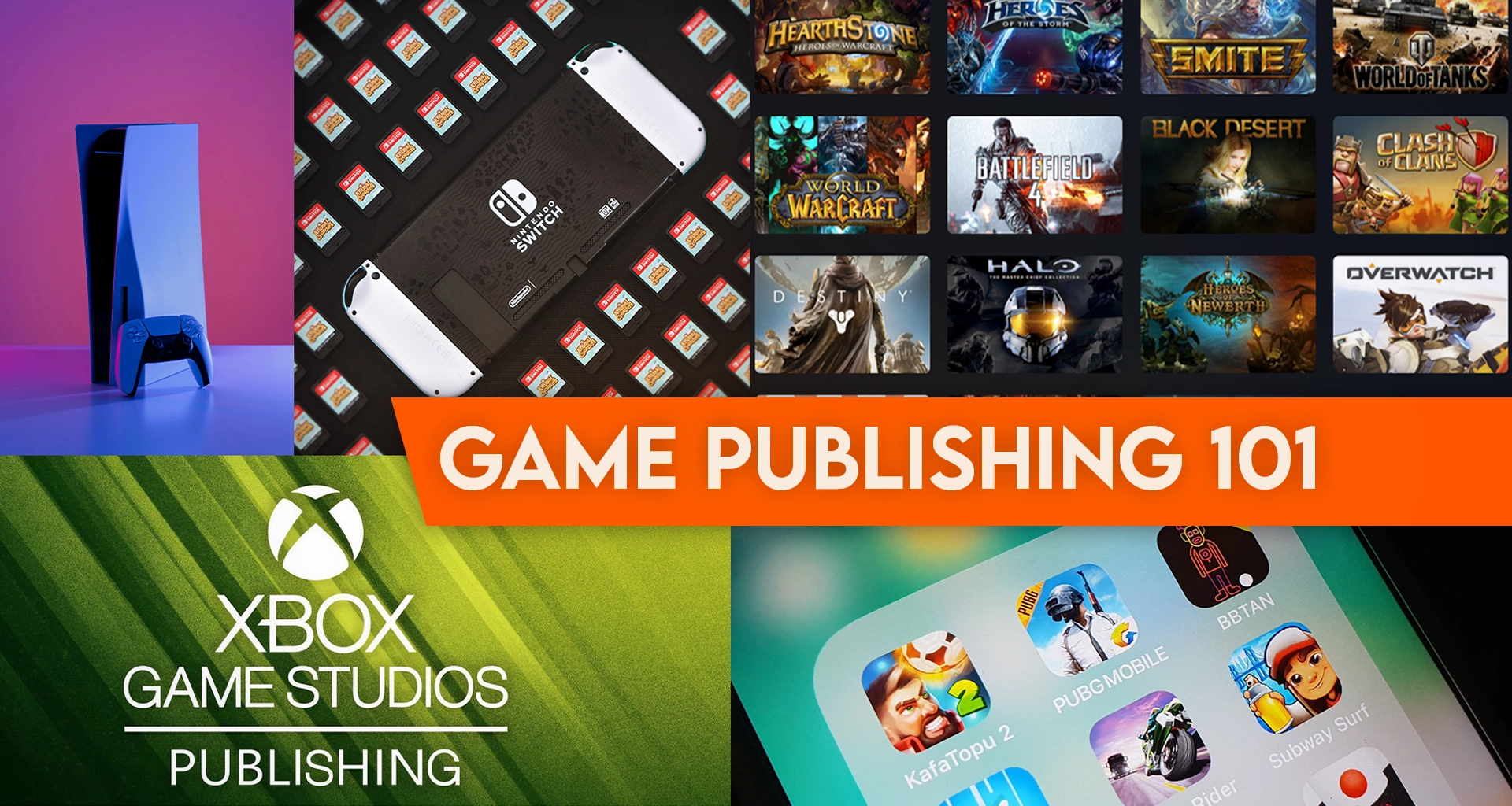

Bringing a game to market is more than just finishing development—it’s about getting it into the hands of players. Whether you’re launching on PC, console, or mobile, the game publishing process involves strategic planning, marketing, and distribution. Here’s a step-by-step guide to help you navigate the world of game publishing successfully.
Step 1: Choose Your Publishing Route
Before you can launch, you need to decide how you want to publish your game. There are two main options:
- Self-Publishing – Platforms like Steam, Epic Games Store, PlayStation Store, Xbox Marketplace, Nintendo eShop, and mobile stores (Google Play, Apple App Store) allow developers to publish their own games. This route offers full creative control but requires you to handle marketing, distribution, and community management.
- Working with a Publisher – A publisher can provide funding, marketing, and distribution support. However, they may take a share of the revenue and creative control over aspects of the game.
Step 2: Meet Platform Requirements
Each platform has different submission guidelines and technical requirements:
- PC (Steam, Epic, Itch.io, etc.) – Steam requires games to go through Steamworks, while Epic Games Store has its own submission process.
- Consoles (PlayStation, Xbox, Nintendo Switch) – Console games need approval from platform holders and often require a development kit.
- Mobile (iOS & Android) – Apple and Google have strict guidelines regarding app size, monetization, and security.
Step 3: Optimize for Different Platforms
A game built for PC might not work seamlessly on mobile or console. Consider:
- Controls & UI Adjustments – Mobile games rely on touch controls, while console games need controller support.
- Performance & Optimization – Mobile devices have lower processing power compared to high-end PCs and consoles, requiring optimized graphics and gameplay.
- Monetization Strategies – Mobile games often rely on in-app purchases or ads, while PC and console games use premium pricing or DLCs.
Step 4: Build Hype Before Launch
No matter the platform, marketing is key. Some strategies to consider:
- Steam Wishlists & Pre-orders – Encouraging early wishlists boosts visibility on Steam’s algorithm.
- Beta Testing & Early Access – Platforms like Steam Early Access or closed beta programs on PlayStation/Xbox help build an initial player base.
- Influencer & Social Media Marketing – Engaging Twitch streamers, YouTubers, and TikTok creators can drive massive awareness.
Step 5: Prepare for Launch Day
Your game’s launch should be smooth and impactful.
- Testing & Bug Fixes – Ensure your game is polished and runs well on all targeted platforms.
- Day-One Patch – Many games launch with an immediate update to fix last-minute issues.
- Community Engagement – Interact with players on Discord, Reddit, and social media to build long-term loyalty.
Step 6: Post-Launch Support & Live Ops
Releasing a game is just the beginning. To keep players engaged:
- Regular Updates & Patches – Fix bugs, optimize performance, and add new content.
- Seasonal Events & DLCs – Many mobile and online games use live events and expansions to retain players.
- Cross-Platform Play & Expansions – Expanding to multiple platforms after launch can boost your player base.
Ready to Take Your Game to Market?
Publishing a game requires more than just great development—it demands a solid launch plan, marketing strategy, and ongoing support. If you’re looking to break into the gaming industry, a structured learning path can make all the difference. Explore Game Insider’s expert-led courses on game publishing, marketing, and monetization to gain industry insights and launch your career in gaming.