

The gaming industry is bigger than ever, with millions of players engaging across mobile, PC, and console games. But behind every stunning game environment, character, and animation is a skilled game artist bringing digital worlds to life. If you’re passionate about art and gaming, a career as a game artist could be the perfect fit.
What Does a Game Artist Do?
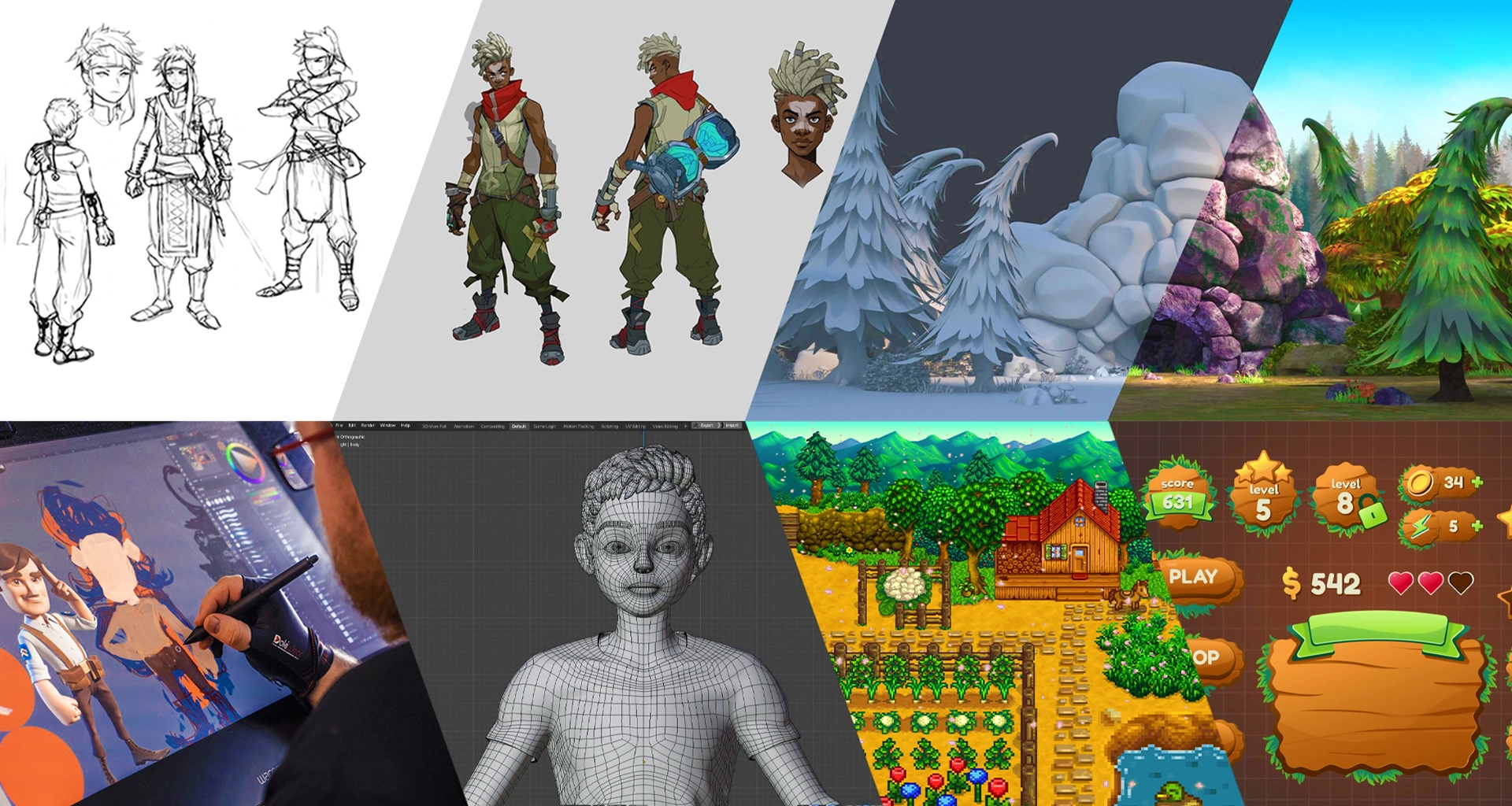
Game artists are responsible for creating the visual elements of a game, including characters, environments, UI elements, textures, and animations. Depending on the studio size and project scope, artists may specialize in areas such as:
- Concept Art: Sketching ideas for characters, environments, and props.
- 3D Modeling: Creating 3D assets using software like Blender, Maya, or ZBrush.
- Texturing: Adding color, material properties, and surface details to models.
- Animation & Rigging: Making characters and objects move realistically.
- UI/UX Design: Designing in-game menus, icons, and interfaces.
Essential Skills for a Game Artist
To become a successful game artist, you’ll need a mix of creative and technical skills. Here are the key areas to focus on:
1. Strong Artistic Foundation
Great game art starts with fundamental skills in drawing, color theory, composition, and perspective. Whether you’re working in 2D or 3D, having a solid grasp of art fundamentals is crucial.
2. Proficiency in Industry Software
Most game studios use specialized tools for game art. Some of the must-learn software includes:
- Adobe Photoshop & Illustrator (2D art, textures, concept art)
- Blender, Maya, or 3ds Max (3D modeling and animation)
- ZBrush (High-detail sculpting)
- Substance Painter & Designer (Texturing and material creation)
- Unity & Unreal Engine (Integrating art into game engines)
3. Understanding of Game Engines
Knowing how to optimize assets for game engines like Unity and Unreal Engine is important. Game artists must work within performance constraints to ensure smooth gameplay.
4. Collaboration & Communication
Game development is a team effort. Artists work closely with designers, programmers, and animators to bring ideas to life. Good communication and teamwork skills are essential.
5. Adaptability & Problem-Solving
Every project comes with challenges, from polycount restrictions to technical limitations. A great game artist knows how to adapt and find creative solutions.
How to Get Started in Game Art
If you’re new to game art, here’s a structured approach to breaking into the field:
1. Build a Strong Portfolio
Your portfolio is your biggest asset. Showcase your best work, including character models, environments, UI designs, and animations. Tailor it to the type of role you’re aiming for.
2. Learn from Online Courses & Tutorials
There are many resources available to learn game art, from YouTube tutorials to professional courses that provide structured learning paths.
3. Join Game Jams & Personal Projects
Participating in game jams or indie projects helps you gain experience, improve your skills, and build connections in the industry.
4. Network with Industry Professionals
Engage with game artists on LinkedIn, Twitter, and gaming communities. Networking can open doors to job opportunities and collaborations.
5. Stay Updated with Industry Trends
New tools and techniques emerge constantly in game development. Keep learning, experimenting, and evolving your skills to stay competitive.
Turning Your Passion into a Career
Becoming a game artist takes dedication, but with the right skills and persistence, you can turn your passion into a successful career. Whether you dream of working in a AAA studio or creating art for indie games, the key is to keep learning and improving.
If you’re serious about making a career in game art, structured learning can accelerate your progress. Explore advanced courses that teach hands-on skills, industry workflows, and expert insights to help you stand out in the competitive gaming industry.