
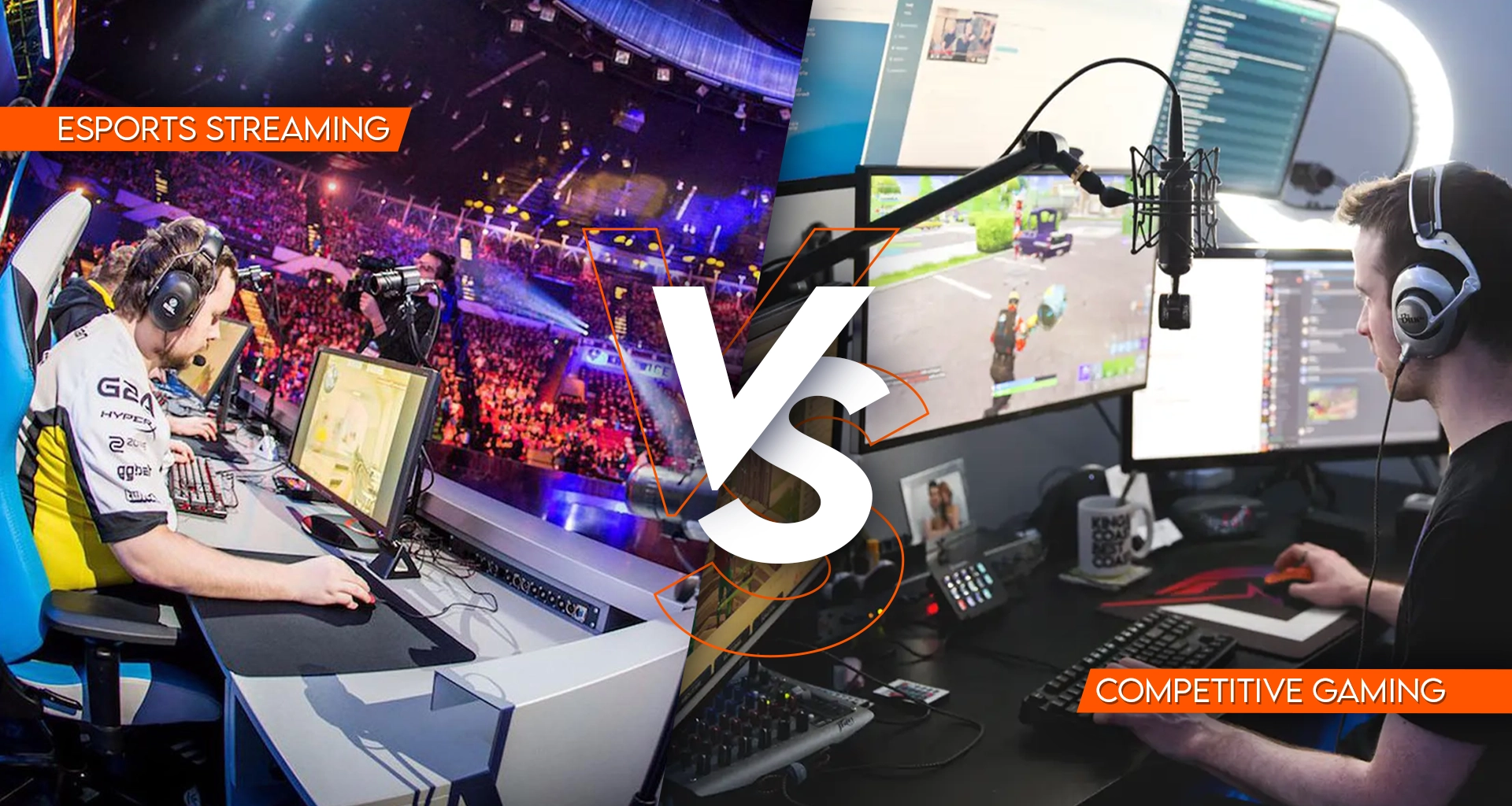

The gaming industry offers multiple career paths, but two of the most popular are competitive gaming and esports streaming. While both can be lucrative, they require different skill sets, lifestyles, and approaches to success.
If you’re serious about making a career in gaming, structured learning can give you an edge. Game Insider’s Esports Career Course covers everything from competitive gaming strategies to building a successful streaming brand.
Now, let’s break down the differences between esports streaming and competitive gaming to help you decide which path suits you best.
What is Competitive Gaming?
Competitive gaming, or professional esports, involves playing at the highest level in games like Valorant, CS:GO, League of Legends, and Fortnite. Pro players compete in tournaments with massive prize pools and often sign contracts with esports organizations.
Pros of Competitive Gaming:
- High rewards – Top players can earn six or seven figures from prize money, salaries, and sponsorships.
- Recognition and prestige – Winning major tournaments can make you a household name in the gaming world.
- Sponsorship opportunities – Brands invest heavily in successful esports players.
Cons of Competitive Gaming:
- Extremely high skill requirement – Only the best make it to the top.
- Short career span – Reflexes decline with age, making it tough to stay competitive long-term.
- Demanding lifestyle – Intense training schedules, travel, and pressure to perform can be exhausting.
If you want to get scouted by a pro team, Game Insider’s Esports Scouting & Career Course teaches you how to stand out in the competitive scene.
What is Esports Streaming?
Streaming is about entertaining an audience while playing games live on platforms like Twitch, YouTube, or Facebook Gaming. Unlike competitive gaming, success in streaming isn’t just about being the best—it’s about personality, engagement, and consistency.
Pros of Esports Streaming:
- More career longevity – You don’t have to retire early like most pro players.
- Multiple income sources – Streamers earn from ads, donations, subscriptions, sponsorships, and merchandise.
- Flexibility – You control your schedule and content.
Cons of Esports Streaming:
- Takes time to grow – Success doesn’t happen overnight. It requires months or years of consistent content.
- Highly competitive – Thousands of streamers fight for viewers’ attention.
- No guaranteed income – Unlike esports salaries, streaming income depends on audience engagement.
Want to grow as a streamer? Game Insider’s Content Creation & Streaming Course teaches you how to build an audience, monetize your streams, and create engaging content.
Which One is Right for You?
- If you thrive in high-pressure competition and have the skills to reach the top, competitive gaming could be your path.
- If you prefer entertaining, engaging with a community, and building a brand, streaming might be a better choice.
- Some gamers do both—many former pros transition into streaming after their esports careers.
Both paths require dedication, but learning from industry experts can help you succeed faster.
Turn Your Gaming Passion into a Career
Whether you choose competitive gaming or streaming, Game Insider Academy offers expert-led courses to help you break into the industry.
Ready to start your esports career? Explore Game Insider’s Esports & Streaming Courses today.