
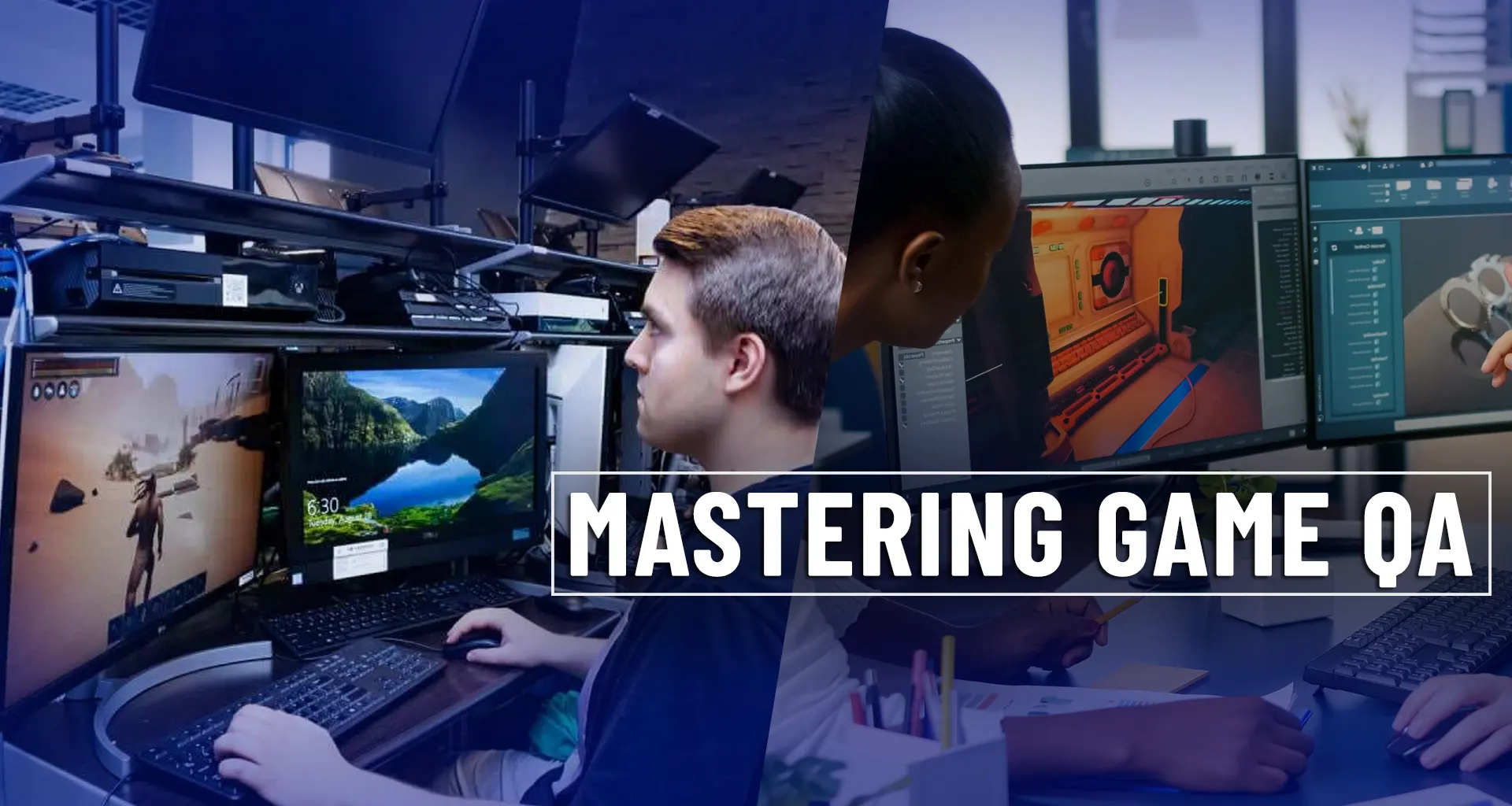

No one likes a buggy game. Whether it’s a major glitch that breaks the experience or a small, frustrating bug that ruins immersion, poor quality assurance (QA) can be the difference between a successful launch and a flood of negative reviews. Game QA is more than just playing a game before release—it’s a structured, meticulous process designed to ensure smooth gameplay, stability, and an enjoyable user experience.
If you’re an aspiring game tester or a developer looking to improve your game’s quality, mastering essential QA techniques is crucial.
Essential Game Testing Techniques
1. Functional Testing
This is the foundation of game QA. It ensures that all game features work as intended—controls respond correctly, sound effects sync properly, animations behave naturally, and mechanics function without breaking. A simple issue, like a menu button not responding, can create a frustrating experience for players.
2. Compatibility Testing
Games today run on a variety of devices—PCs, consoles, mobile phones, and even cloud platforms. Compatibility testing ensures the game performs consistently across different screen sizes, resolutions, hardware specs, and operating systems. The last thing you want is a mobile game crashing on certain Android devices or a console game struggling on older hardware.
3. Performance Testing
No one wants to play a game that stutters, lags, or crashes unexpectedly. Performance testing evaluates frame rates, load times, and memory usage to ensure the game runs smoothly. For online multiplayer games, this also includes testing server stability and network latency.
4. Regression Testing
Ever updated a game and suddenly a feature that was working fine before is now broken? That’s what regression testing prevents. Anytime developers make changes—whether it’s fixing a bug or adding a new feature—QA needs to re-test the existing functionality to ensure nothing else was unintentionally affected.
5. Ad-Hoc & Exploratory Testing
Not all bugs can be caught through structured testing. Some of the worst game-breaking glitches are discovered by testers who explore the game freely, experimenting with different interactions to uncover hidden issues. This kind of testing is especially important for open-world games, where players have endless possibilities to break the intended gameplay.
Best Practices for Effective Game Testing
- Start QA Early: The earlier you begin testing in the development cycle, the easier it is to catch and fix issues before they become major problems.
- Keep Detailed Bug Reports: Testers don’t just report issues—they document them with screenshots, descriptions, and reproduction steps so developers can fix them efficiently.
- Automate Where Possible: While manual testing is crucial, automating repetitive test cases can save time and improve efficiency.
- Think Like a Player: A game might function as intended, but is it fun? Testers need to think from a player’s perspective to ensure the experience is engaging and frustration-free.
How Game QA Can Lead to a Career in Gaming
Quality assurance is one of the most accessible ways to break into the gaming industry. Many successful game designers, producers, and developers started as QA testers. It’s a role that gives you firsthand experience with how games are made, what makes them fun, and how to work within a game development team.
If you’re serious about getting into game QA—or using it as a stepping stone to a larger role in gaming—structured learning can accelerate your journey. Learning professional QA methodologies, testing tools, and industry standards can set you apart from the competition.
Checkout our latest interview with the QA Lead, Harjeet Singh Jite- Modern Game QA: Inside the Strategy of AAA Testing.
Want to take the next step? Explore deeper insights into game QA, testing tools, and career growth opportunities in Game Insider’s expert-led courses designed for those who want to turn their passion for games into a career.