
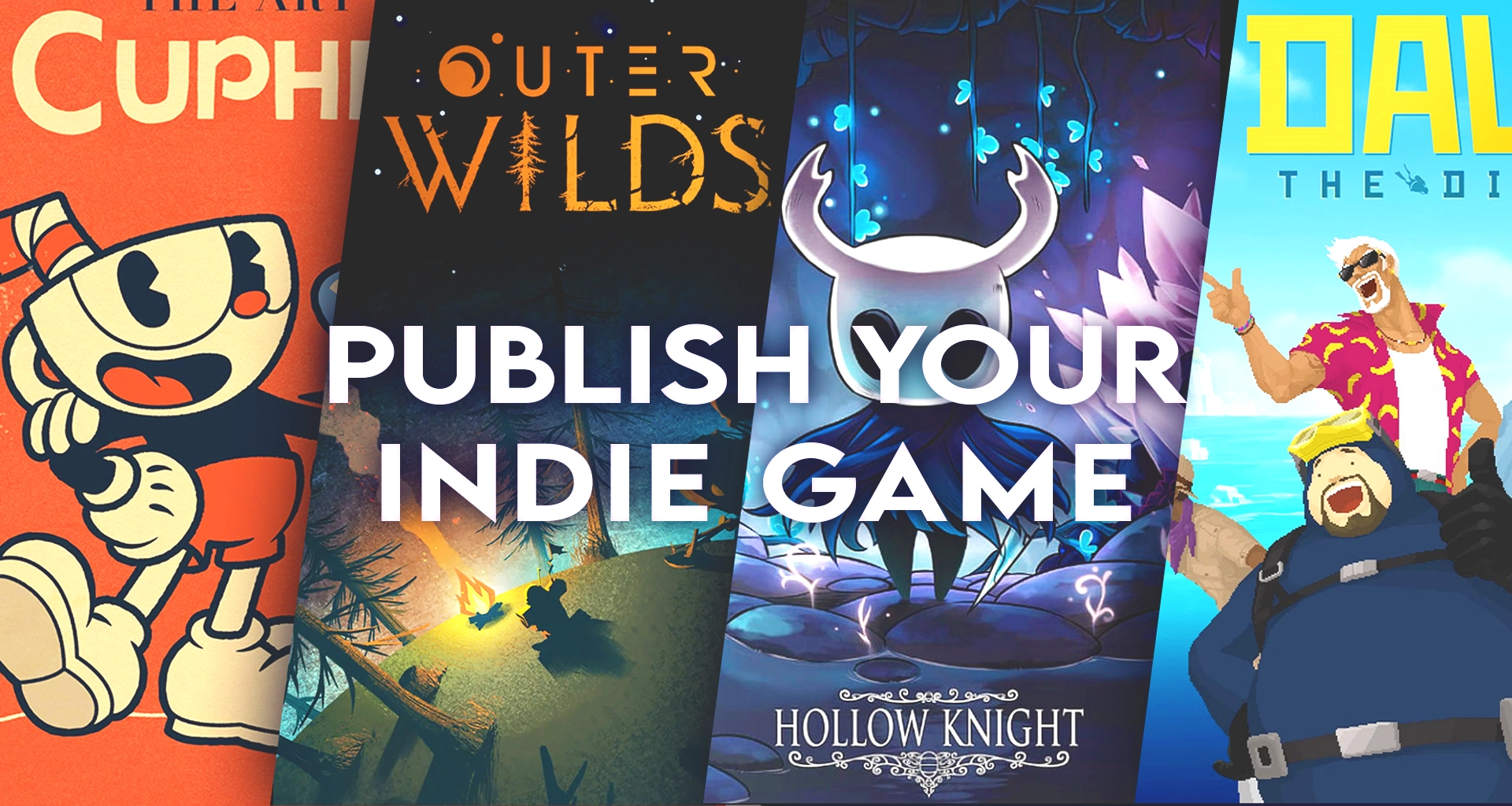

Launching a game as an indie developer is both exciting and overwhelming. Without a publisher, you control everything—from development and marketing to distribution and sales. While the challenge is real, many indie studios and solo developers have built successful games without a publisher, proving that with the right strategy, you can too.
If you’re planning to self-publish your game, here’s how to make sure it reaches the right audience and sells well.
Step 1: Build Hype Before Launch
One of the biggest mistakes indie developers make is waiting until launch day to market their game. Players need time to discover your game, get excited about it, and share it with others.
- Create a Strong Online Presence: Set up a website, social media pages, and a Steam or console store page early. Keep potential players engaged with regular updates.
- Document Your Journey: Share behind-the-scenes content, development updates, and gameplay teasers on Twitter, Reddit, YouTube, and Discord. Indie games thrive on personal storytelling.
- Build an Email List: A dedicated mailing list lets you notify your most loyal followers about beta access, launch dates, and discounts.
Step 2: Choose the Right Platforms
Where you sell your game matters. Each platform has its own audience and revenue-sharing model, so research before committing.
- PC Games: Steam, Epic Games Store, Itch.io, and GOG offer different levels of visibility and revenue cuts. Steam is the most competitive but has the largest audience.
- Console Games: PlayStation, Xbox, and Nintendo Switch require specific approvals but give access to millions of dedicated gamers.
- Mobile Games: The App Store and Google Play offer huge audiences, but discoverability is tough, making app store optimization (ASO) and paid ads important.
Step 3: Master Game Monetization
Decide how your game will make money. The right model depends on your audience, platform, and game design.
- Premium Model: Players pay upfront (best for PC and console games).
- Free-to-Play: Monetize through in-game purchases or ads (popular for mobile games).
- Subscription or DLCs: Offer additional content post-launch to keep players engaged and spending.
Step 4: Get Noticed with Smart Marketing
A great game won’t sell itself—you need to get it in front of the right players.
- Reach Out to Influencers & Streamers: YouTube and Twitch streamers can introduce your game to thousands of potential buyers. Provide early access keys to content creators in your genre.
- Leverage Game Communities: Post your game in gaming subreddits, Discord servers, and forums like TIGSource and IndieDB.
- Run Promotions & Discounts: Steam sales and launch discounts can boost early sales and help climb the store ranking charts.
Step 5: Post-Launch Support & Community Building
A successful indie game doesn’t end at launch. Post-launch support, updates, and strong community engagement keep players invested in your game.
- Fix Bugs & Release Updates: Keep improving the game based on player feedback.
- Launch New Content: Small updates, seasonal events, or DLCs keep your game relevant.
- Engage with Your Community: Active developers who respond to players and participate in discussions build long-term fans.
Turn Your Indie Game Dream into Reality
Self-publishing a game is challenging, but it’s never been more possible. With the right strategies, you can get your game into the hands of players worldwide.
Want to dive deeper into game development, marketing, and business strategies? Explore expert-led courses at Game Insider to fast-track your journey into the gaming industry.