
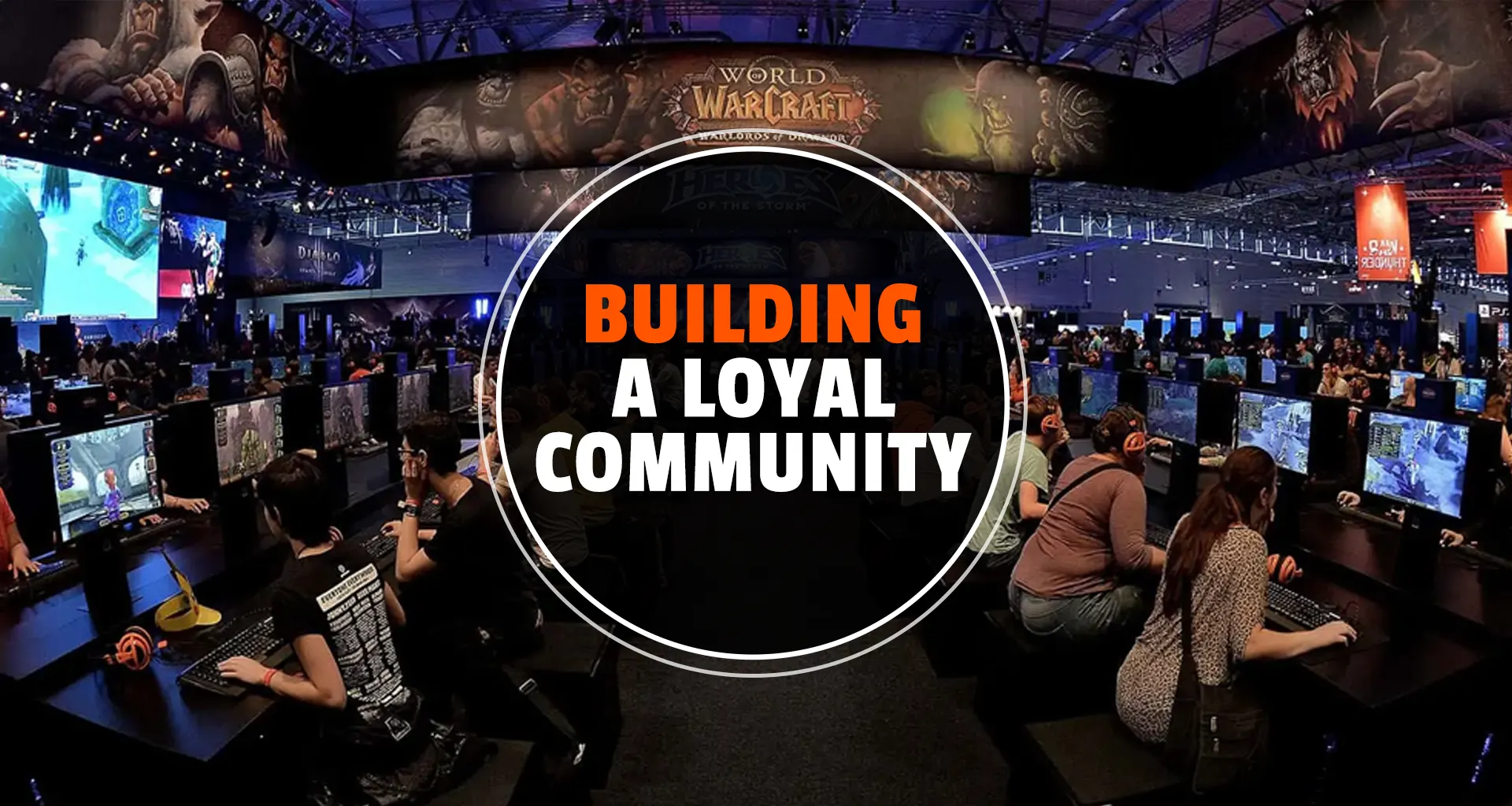

A great game is only part of the equation for success. In today’s competitive gaming industry, the real secret to long-term growth is building a loyal and engaged community. Whether you’re an indie developer, a live-service game studio, or a content creator, a dedicated player base can be the difference between a game that fades away and one that thrives for years.
Here’s how you can create and sustain a strong gaming community.
1. Create a Game Worth Playing and Talking About
At the heart of every gaming community is a game people want to invest time in. Mechanics, art style, story, and replayability all play a role, but community-driven games share one thing in common: they encourage interaction.
- Multiplayer games thrive because players keep coming back to compete or collaborate.
- Games with strong lore and world-building (like Soulsborne titles or RPGs) inspire fan theories, discussions, and creative content.
- Live-service games stay relevant through frequent updates, in-game events, and evolving content.
If you’re a developer or aspiring to enter the industry, understanding player engagement strategies is key to success. Learning how to balance game mechanics, social features, and live operations can set your game apart.
2. Build a Space for Players to Connect
A community needs a home. Whether it’s a Discord server, subreddit, or in-game social hub, having a space where players can interact, share experiences, and provide feedback is crucial.
- Discord & Forums: Create structured discussion spaces for feedback, team-building, and casual conversations.
- Social Media: Engage players on platforms like Twitter, Instagram, and TikTok by sharing updates, memes, and community spotlights.
- User-Generated Content (UGC): Encourage fan art, mods, and gameplay clips to keep players invested beyond the game itself.
The most successful gaming brands don’t just market to their audience—they involve them.
3. Be Consistent with Communication
The fastest way to lose a community is silence. Developers and game creators who communicate regularly and transparently build trust and engagement.
- Use patch notes and roadmaps to keep players informed.
- Host AMA sessions to answer questions and gather feedback.
- Acknowledge player concerns and respond to issues promptly.
Live games like Fortnite and Warframe have thrived because of consistent updates and open communication with their communities. Even if you’re a solo developer or a new studio, setting expectations and staying engaged can create a strong, loyal following.
4. Reward and Recognize Your Players
People stay in a community when they feel valued. Reward players for their time and contributions:
- Exclusive in-game rewards for loyal players
- Spotlights on fan content (art, speedruns, tournaments)
- Beta access and early previews for active community members
These small gestures go a long way in building emotional investment. When players feel like they’re part of something special, they stick around.
5. Give Players a Reason to Stay Engaged
A community is not just about talking—it’s about doing. Keep engagement high by giving players things to look forward to:
- Regular updates and events keep the experience fresh.
- Challenges, tournaments, and seasonal content drive interaction.
- Collaborations with streamers and influencers bring in new players and build hype.
Games like Among Us saw massive success not just because of gameplay, but because streamers, content creators, and players kept the conversation going.
Learn How to Build a Thriving Game Community
Building a successful gaming community takes strategy, consistency, and a deep understanding of player engagement. If you want to learn how to apply these techniques to your own game or career in the gaming industry, structured learning can give you the edge.
Game Insider offers expert-led courses designed to teach community management, player retention strategies, and game marketing techniques. If you’re serious about creating a game or brand that lasts, now is the time to start.