
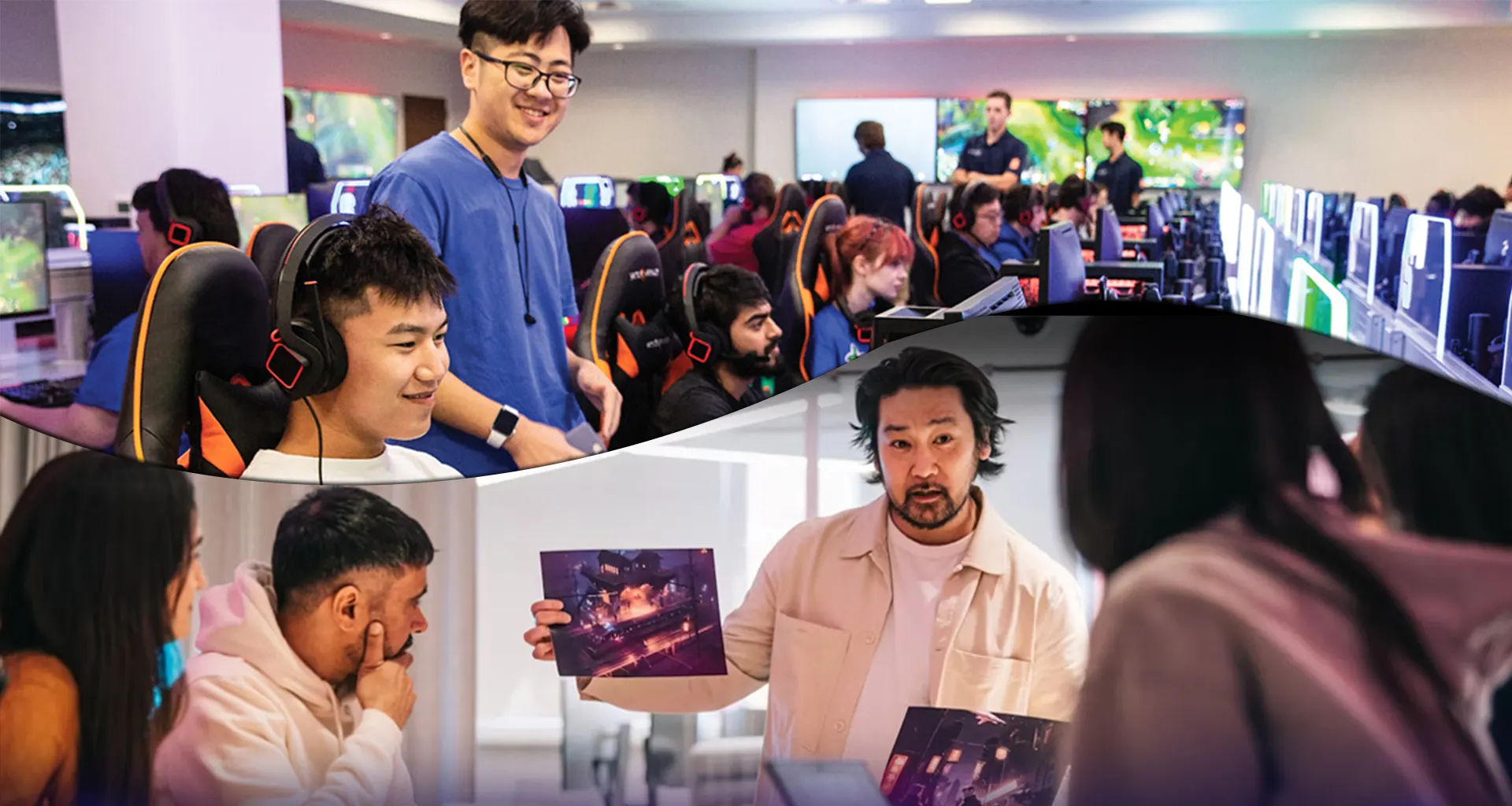

The global gaming industry is one of the fastest-growing creative ecosystems today, but it’s not without its growing pains. While we’ve seen tremendous innovation in game development, esports, streaming, and content creation, there’s one area where the industry lags behind—mentorship.
What Is the “Mentor Gap”?
The “Mentor Gap” refers to the lack of experienced professionals actively guiding newcomers within the gaming industry. Whether it’s young game developers trying to break into studios, aspiring streamers navigating the wild world of content creation, or competitive players learning the ropes of esports, many are left to figure it out on their own.
Unlike traditional industries where mentorship is embedded in career progression (think tech, medicine, or education), gaming tends to be fragmented. Success stories are often self-taught, and knowledge is closely guarded, making it harder for the next wave of talent to grow efficiently.
Why Mentorship in Gaming Matters
1. Shortening the Learning Curve
New entrants often spend years trial-and-erroring their way through technical skills, branding, audience growth, or tournament play. Mentorship from seasoned veterans could accelerate this process, helping individuals avoid burnout and costly mistakes.
2. Encouraging Sustainable Careers
Many content creators and esports pros burn out quickly due to lack of direction or support. Mentorship can provide emotional backing, career advice, and a sense of community—leading to longer, healthier careers.
3. Fostering Diversity and Inclusion
When industry knowledge stays concentrated in closed circles, it leaves out voices from marginalized communities. Mentorship programs can open doors for underrepresented groups, making gaming more inclusive and reflective of its global audience.
4. Bridging the Gap Between Amateur and Pro
In esports, the jump from amateur play to pro-level competition is massive. Coaching exists at the top tier, but early-level mentorship is rare. Developing a structured mentorship path can nurture grassroots talent and feed directly into national and global leagues.
Gaming has outpaced its own support systems.
An indie dev learning Unity or Unreal Engine might spend months figuring out pipelines that a veteran could explain in a day. A rising Twitch streamer might struggle to grow because they don’t understand viewer retention or branding. A talented esports player might burn out before going pro due to lack of coaching or mental health guidance.
The speed of the industry is outpacing its mentorship infrastructure. Platforms and trends shift rapidly. What works today might flop tomorrow. Without guidance, many creators either waste years making mistakes or quit out of frustration.
One big roadblock is the industry’s competitiveness. Many professionals keep their strategies, tools, and insights close to the chest. Why help the competition? Why share when you had to learn it all the hard way?
This “every man for himself” mindset is dangerous.
Knowledge hoarding creates unnecessary barriers, especially for underrepresented voices. Women, non-binary creators, and people from marginalized communities often have the hardest time finding support—and the least access to the “inner circles” where real learning happens.
If knowledge continues to stay locked behind DMs, paywalls, or private Discords, the industry will grow—but only for the few.
Some platforms and communities are taking initiative:
- Pipeline offers structured support for aspiring content creators.
- Game Devs of Color Expo emphasizes mentorship and peer learning.
- YouTube and TikTok creators often share monetization strategies, editing tips, and career advice openly.
But these are still exceptions—not the norm.
Major platforms like Twitch, YouTube, and even game publishers could do more. Imagine if every creator dashboard included access to mentorship programs or if esports teams offered alumni mentorship for players after retirement.
To bridge the gap, we need both top-down and bottom-up efforts.
What the industry can do:
- Studios and esports orgs: Launch mentorship initiatives and onboarding programs.
- Platforms: Invest in creator education and make mentorship more visible.
- Veterans: Make knowledge-sharing part of your legacy.
What individuals can do:
- Ask questions openly—and share what you’ve learned.
- Offer guidance in your community, no matter how small your platform is.
- Normalize constructive feedback and celebrate growth stories.
Mentorship doesn’t take away your edge—it multiplies it. A thriving ecosystem helps everyone.
The gaming industry thrives on passion, but passion alone isn’t sustainable. By building a culture that values and invests in mentorship and knowledge-sharing, we empower the next generation of creators, players, and professionals. In a space driven by community, it’s time we truly act like one.
Keep Following Game Insider World and stay updated.