
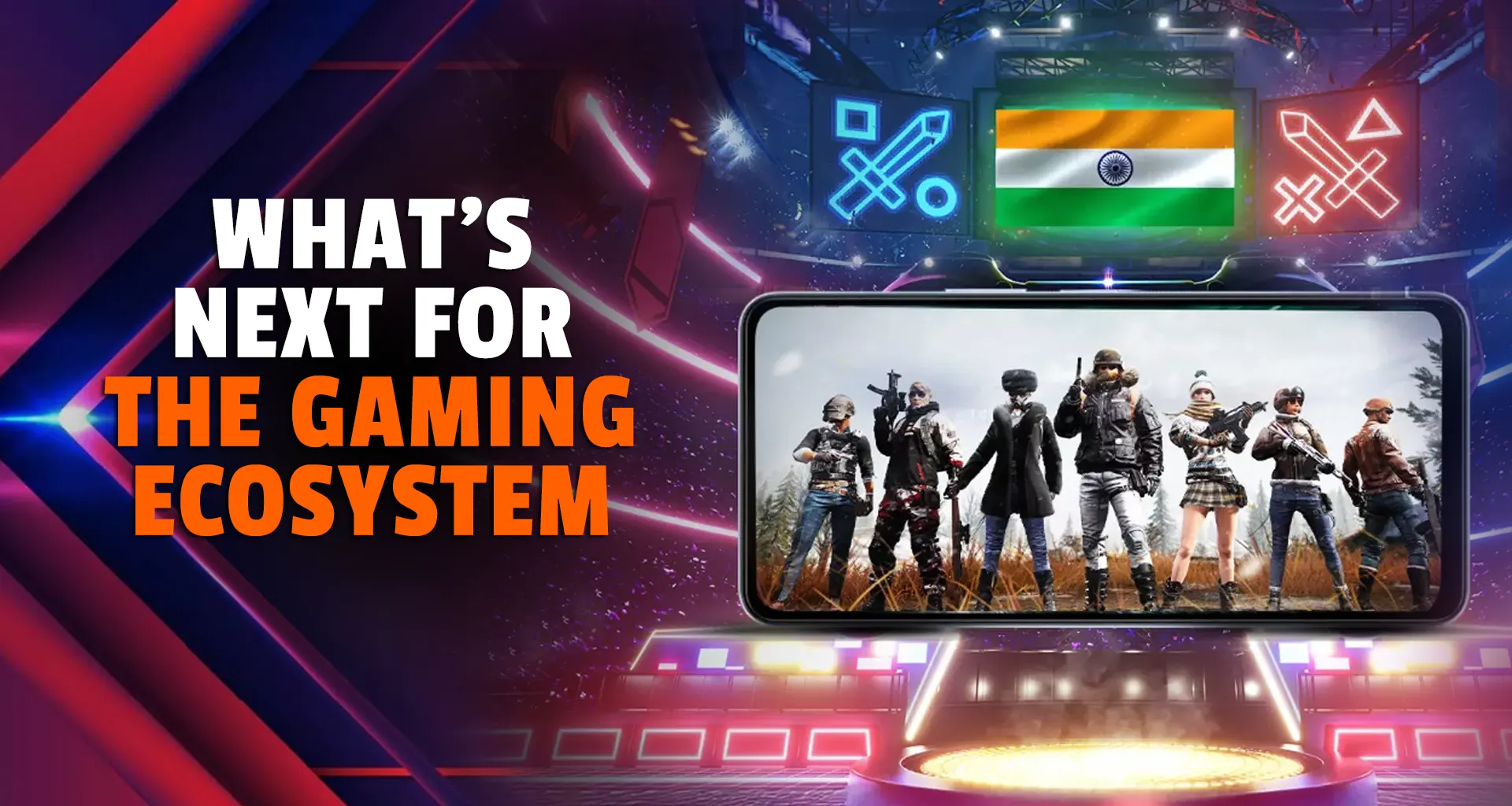

For decades, India was considered a “potential market” for the global gaming industry—full of users, but lacking infrastructure, investment, and recognition. But that narrative is changing rapidly.
With a massive player base, a thriving esports community, increasing government and institutional recognition, and rising interest from international publishers, India is no longer waiting to be noticed—it’s actively shaping the global gaming landscape.
So what sparked this transformation? And where is the Indian gaming ecosystem headed next?
A Mobile-First Revolution
India’s gaming boom is rooted in its mobile-first economy. With the lowest data costs globally and increasing access to affordable smartphones, gaming has become one of the most inclusive and widely accessible forms of entertainment in the country.
Games like PUBG Mobile, Free Fire, and Call of Duty Mobile didn’t just create hype—they created a generation of gamers, streamers, and competitive athletes. Post-2020, the rise of regional gaming content in multiple Indian languages pushed growth even further, making gaming deeply embedded in Gen Z culture.
In 2024, India had over 500 million gamers, the majority of whom are under the age of 25. This demographic is not only playing games—they’re building careers around them.
Esports: From Basement to Broadcast
Indian esports has rapidly evolved from grassroots community tournaments to prime-time events with professional teams, sponsors, and millions of viewers.
Orgs like S8UL, Global Esports, GodLike Esports, Revenant, and Orangutan Gaming are now household names in the gaming community. These teams are not just participating—they’re winning and representing India on global stages like PMGC, Valorant Champions Tour, and now the Esports World Cup 2025.
The re-election of Lokesh Suji as South Asia VP at the Asian Electronic Sports Federation (AESF) further cements India’s rising influence in esports policymaking and infrastructure across the region.
Government support, such as the recognition of esports as a multi-sport event under the Ministry of Youth Affairs and Sports, was a landmark moment. Esports is now part of national games, and Indian players are representing the country at events like the Asian Games.
Investment, Infrastructure & Policy Momentum
Global publishers and investors have started to take India seriously. Krafton has committed significant investment into Indian startups, Riot Games has localized publishing efforts, and Garena is eyeing a full comeback with Free Fire.
Venture capital is also flowing into indie studios, tournament platforms, gaming content startups, and game-tech ventures. In 2023–24 alone, Indian gaming startups raised over $300 million across various stages.
We’re also seeing an expansion in infrastructure:
- Gaming cafes and esports arenas in metro cities
- Esports bootcamps and training houses
- Gaming-focused college programs and scholarships
- Regional government interest in gaming as an economic driver (e.g. Karnataka, Maharashtra)
Yet, India still lacks a comprehensive policy framework for gaming and esports—especially when it comes to game regulation, content censorship, prize pool taxation, and athlete recognition. Clear, industry-aligned policies will be crucial for sustainable growth.
The Rise of Indian Game Development
One of the most exciting developments is the rise of Made-in-India games.
Studios like SuperGaming (Indus), Mayhem Studios (Underworld Gang Wars), Ncore Games (FAU-G), and Gametion (Ludo King) are building games with Indian stories, themes, and characters. These aren’t just clones—they are culturally-rooted, globally-minded IPs.
This shift represents India moving from being just a consumer of games to a creator of globally competitive content. With government schemes promoting game development and IP creation under “Atmanirbhar Bharat,” the coming years could witness India exporting gaming culture just like it did with tech and cinema.
What Lies Ahead?
India’s gaming ecosystem stands at an inflection point. The momentum is real—but the road to becoming a true global gaming superpower involves key challenges and opportunities:
What’s Needed:
- Cross-platform growth: India must move beyond mobile and push for PC and console engagement
- Developer support: Grants, mentorship, incubators, and skill training for game devs
- Esports athlete recognition: Visa access, player certification, health & legal support
- Policy clarity: Differentiation between games of skill vs chance, and tax reform for prize money
- Cultural shift: Greater parental and institutional acceptance of gaming as a career
What’s Possible:
- India becomes the Asia-Pacific esports hub
- Global tournaments set up base in Indian cities
- Indian streamers and orgs rise to global fame
- Indian-made games reach top charts across platforms
- India contributes to global gaming standards and policymaking
India’s gaming ecosystem has gone from “potential” to powerful—and this is just the beginning. With the right investment, infrastructure, and innovation, India is positioned to be one of the most influential gaming nations of the next decade.The question now isn’t whether India will make it in global gaming—it’s how far and fast it can go.
Keep Following Game Insider World and stay updated.