
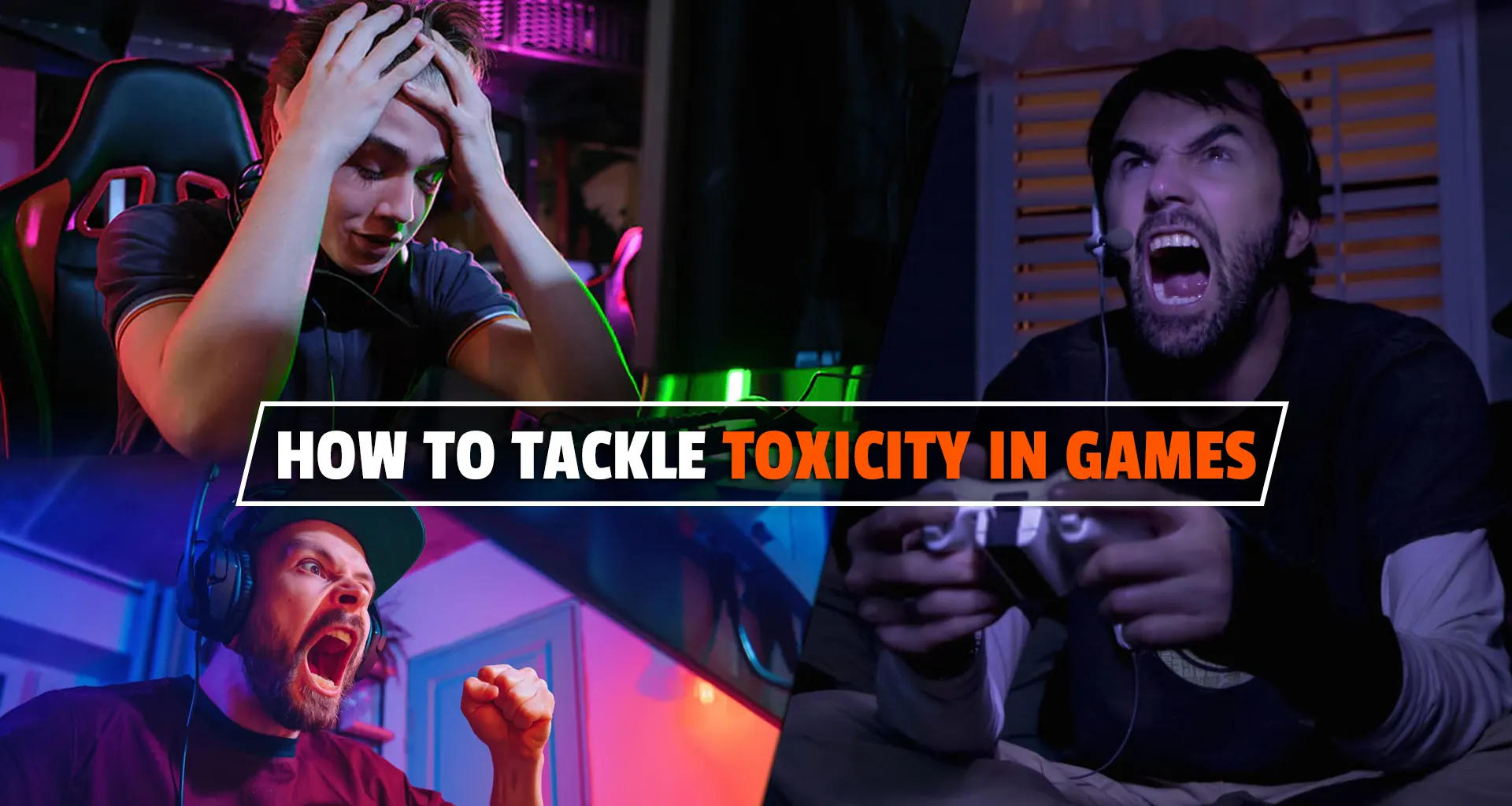

If you’ve played multiplayer games for more than five minutes, you’ve probably experienced some kind of toxicity, trash talk, rage quitting, slurs, harassment, or just plain bad vibes. It’s become so common that a lot of players just accept it as “part of gaming.” But should we?
At this point, it’s not just a player problem; it’s a studio problem. And while some developers are stepping up to tackle it, a lot of them… well, they’re not doing nearly enough.
So here’s a look at what studios can do about toxicity, and what they often choose to ignore.
What Does “Toxicity” Even Mean?
In games, toxicity can show up in a lot of ways:
- Verbal abuse in voice or text chat
- Racist, sexist, or homophobic slurs
- Griefing (intentionally ruining the game for others)
- Harassment of streamers or public players
- General negativity that kills the fun
It doesn’t just hurt feelings, it drives people away from games, especially newer players or underrepresented groups who just want to enjoy themselves.
What Studios Can Do
1. Strong Reporting Systems
The first step is giving players an easy, clear way to report toxic behavior. Not just “report player,” but real options like reporting for hate speech, griefing, or harassment.
2. Real Consequences
What’s the point of reporting if nothing happens? Devs need to take reports seriously and issue actual punishments—bans, timeouts, or chat restrictions. Automated bans are a start, but there should also be some human moderation involved.
3. Better Moderation Tools
Games like Valorant and League of Legends have started using AI to detect abusive voice chat. That’s huge. Studios can also add filters, mute options, and anti-spam tech to protect players before things get out of control.
4. Community Guidelines That Mean Something
Telling players to “be nice” isn’t enough. Studios should clearly define what behavior isn’t okay—and show that they’re serious about it.
5. Promote Positive Behavior
Reward systems can help, too. Some games now reward players for being helpful or friendly. Imagine getting extra XP for good sportsmanship instead of just kills.
What Studios Don’t Do (Enough)
– They Ignore Voice Chat
Most toxicity happens in voice, and yet tons of games don’t have moderation tools for it. If players can get banned for text, why not for screaming abuse into a mic?
– They Protect Popular Players
Sometimes, toxic behavior from high-ranking players or big streamers gets ignored because they bring in views or money. That sends the message that some people are “above the rules.”
– They Don’t Communicate
When studios take action, they rarely tell the community about it. Players are more likely to follow rules if they see that others are actually being held accountable.
– They Prioritize Profit Over Safety
Let’s be honest—some studios are scared to ban players because they don’t want to lose users. But a toxic player who pushes five others away is way more damaging in the long run.
So What’s the Fix?
There’s no one perfect solution, but here’s a start:
- Listen to players. When the community speaks up about toxic behavior, studios need to respond.
- Invest in moderation. Not just cheap filters, but real tools and human oversight.
- Be consistent. Enforce the rules for everyone, not just casuals.
- Celebrate the good. Create systems that spotlight teamwork and respect—not just wins.
Toxicity in games isn’t just annoying, it’s harmful. And while players definitely play a role, studios have way more power to change the culture. Some are starting to take responsibility, but many are still behind.
If game developers want their communities to grow and last, they need to treat toxicity as seriously as they treat bugs or balance issues. Because at the end of the day, no one wants to queue up for a game just to be insulted by a teammate.
Fixing this starts from the top, and it’s long overdue. Keep following Game Insider Blog for interesting takes like this