

When we talk about great games, we usually focus on graphics, gameplay, or story. But there’s another ingredient that often gets overlooked, the community. A strong, engaged player base doesn’t just support a game; it shapes it, grows it, and sometimes even saves it. Whether it’s through fan art, critical feedback, or just good vibes, great communities have played a huge role in making some games truly iconic.
Let’s take a look at how communities have helped some of the biggest titles in gaming history thrive—and what developers (and even we as players) can learn from them.
1. Minecraft – Creativity Without Limits
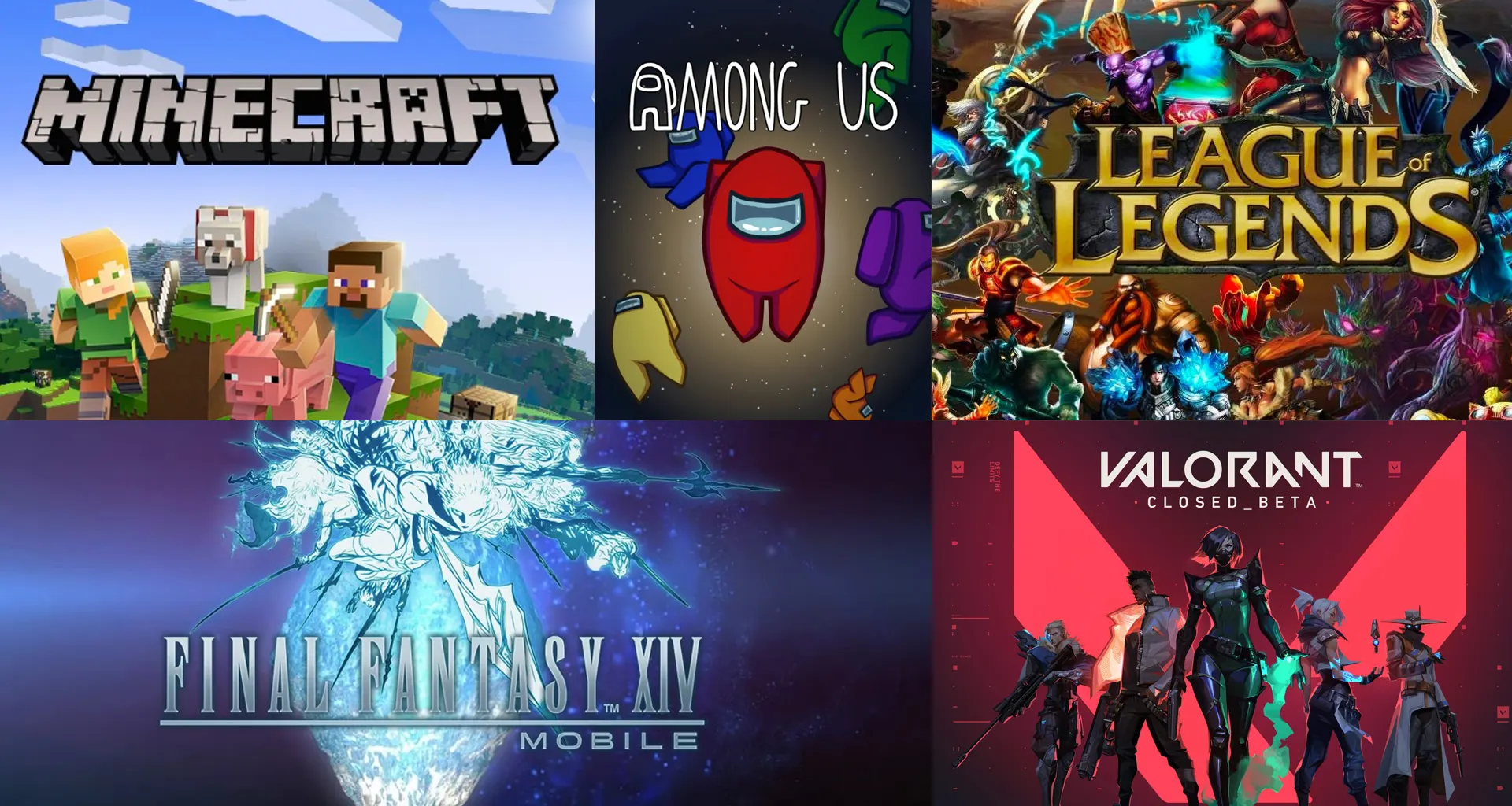
Minecraft didn’t just become popular because of its blocky charm. It blew up because the community took the game and ran with it. Players started building insane structures, coding mods, making YouTube series, and even creating educational content. Mojang, the developers, leaned into this and kept updating the game based on what the community wanted.
Lesson: Give players the tools and freedom to create, and watch your game evolve way beyond what you imagined.
2. League of Legends – A Love-Hate Powerhouse
Let’s be real: the LoL community has a reputation for being… intense. But at the same time, it’s one of the most passionate and dedicated gaming communities out there. Riot Games constantly listens to feedback, hosts massive esports events, and supports content creators. That relationship (while rocky at times) is what has kept League going for over a decade.
Lesson: Even a competitive, high-pressure game can thrive if developers stay in touch with the player base and adapt with them.
3. Among Us – Saved by the Internet
Among Us launched in 2018, and basically no one noticed. It wasn’t until 2020, when streamers and meme pages picked it up, that the game exploded. The community brought it to life with memes, mods, and viral videos. The developers responded by updating the game, improving servers, and adding features the community asked for. Even though, Among Us craze has died up recently, it is still stand as one of the popular games.
Lesson: Sometimes, the community finds the magic before anyone else does. Be ready to support them when they do.
4. Final Fantasy XIV – The Comeback King
When FFXIV first launched, it was something of a mess. But instead of giving up, the developers rebuilt the entire game with help from the players. The community stuck around, gave feedback, and supported the relaunch. Now it’s considered one of the best MMOs ever made. The fanbase is tight-knit, supportive, and even famous for welcoming new players with open arms.
Lesson: A game can recover from failure if the community believes in it, and if the developers show they’re truly listening.
5. Valorant – Built with Feedback
Valorant didn’t launch with everything figured out. But Riot dropped the beta, listened to players, and made constant changes. From gun balance to new maps, everything was influenced by the people actually playing the game. They also built hype with streamers, custom content, and solid anti-cheat, earning major respect early on.
Not only Valorant, but Palworld has also created a loyal community just by releasing the beta version. Palworld is still in the early access phase, yet it has grown exponentially.
Lesson: Building a community before (and during) launch makes the game stronger from the start.
So… What Makes a Great Community?
- Communication – Between devs and players. Listening matters.
- Creativity – Give people ways to express themselves, and they will.
- Respect – Toxic communities can kill a game fast. Positive culture helps it grow.
- Support – For new players, fan creators, and longtime fans.
Great games don’t exist in a vacuum. It’s the players who keep them alive, push them forward, and give them a lasting identity. If developers want to build something that lasts, they need to invest in their communities, not just their code.
And as players, we’re part of that too. How we act, what we create, and how we treat each other actually matter. Because in the end, great communities help make great games. Keep following Game Insider Blog to read more such articles.