

Most beginner game developers don’t fail because they lack talent. They fail because they make avoidable mistakes early on, mistakes that slow progress, kill motivation, and sometimes stop projects before they even ship.
If you’re just starting out, it’s easy to feel overwhelmed by engines, assets, storytelling, and technical choices. This article breaks down five common career mistakes beginner game developers make and explains how to avoid them, so you can focus on what truly matters: finishing games and improving with every project.
1. You Don’t Have to Create Everything From Scratch
Most solo game developers and beginners believe they must create a game entirely from scratch, which isn’t wrong. However, most of the time this becomes a headache, as you start focusing on everything from music and design to artwork and gameplay. Remember the saying: jack of all trades, master of none. You are a game developer, not a designer or musician, so spending too much time learning those skills can slow down your core expertise.
Instead of trying to master everything, it’s better to use free-to-use game assets available online. There are dozens of game development websites that provide free assets, such as Itch.io. Furthermore, Unity and Unreal Engine allow developers to purchase a wide variety of game assets for prices as low as $5.
Clair Obscur: Expedition 33, which won Best Game of the Year at The Game Awards 2025, used a limited number of Unreal Engine Marketplace and Megascans assets in its gameplay.
The team didn’t simply copy and paste these assets. Instead, they retextured and remodeled them to fit the game’s visual style. Sandfall Interactive created the award-winning game with just 30 team members, proving that whether you are solo or working in a small team, using existing assets can significantly smooth your workflow.
2. Your Story Doesn’t Have to Be Unique or Grand
When making a game, solo developers often get stuck on one thing: the story. You aren’t alone in this, as most creative people struggle with storytelling. While story plays an important role in games, it doesn’t need to be unique or grand. The main reason people play games is to escape and experience a journey through a character’s perspective.
Most online multiplayer shooting games share a similar core concept: teaming up to beat another team. Yet they feel completely different because of gameplay. CS:GO and Valorant share the same theme, but CS:GO focuses on realism and grit, while Valorant uses a vibrant art style and agents with unique abilities.
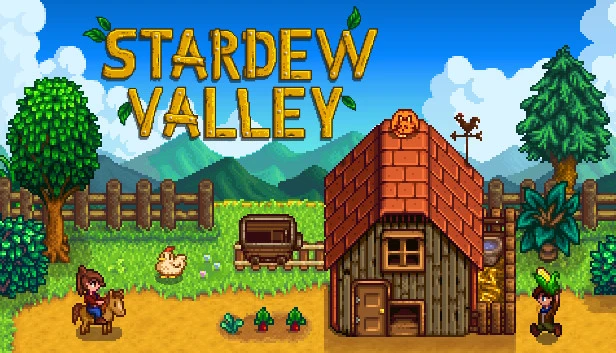
Similarly, your game doesn’t need a unique story. What matters more is gameplay that increases replayability. Games like Minecraft and Stardew Valley have simple premises, yet they maintain massive active player bases who play them consistently.
3. Gameplay Length Doesn’t Matter
Credit: PlayStation
Just like the second mistake, gameplay length doesn’t matter as long as the game itself is good. Artificially stretching a game just to meet a certain playtime will often make it feel boring and repetitive.
If you want players to spend more time in your game, you can add additional DLC or include multiple endings that encourage replayability.
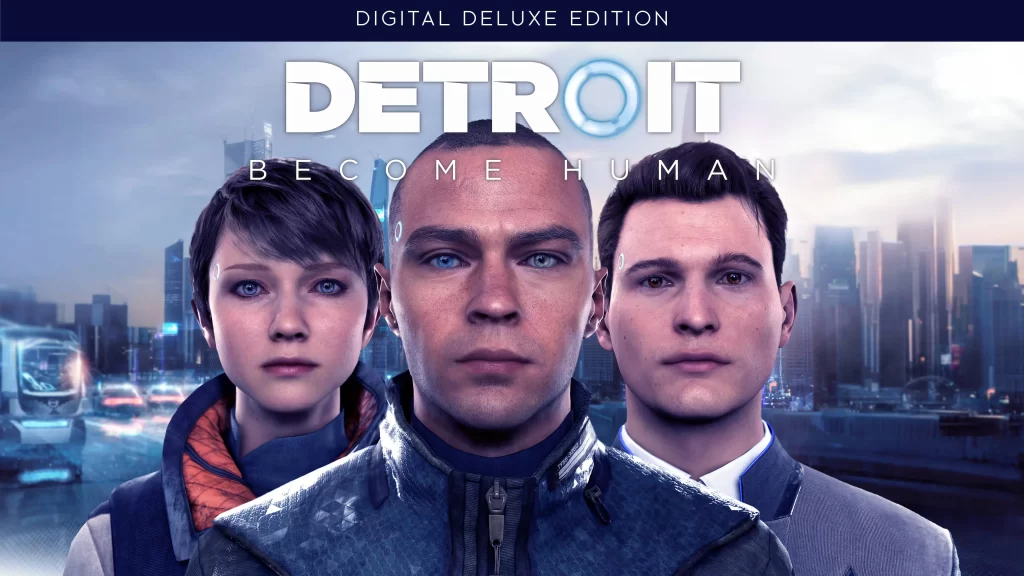
Detroit: Become Human, a masterfully crafted narrative game, is only around 10 to 12 hours long, yet it features over 85 endings that are completely different from each other. While the core length may seem short, it can take players several days to finish, and replaying the game dozens of times to explore all endings is what makes it special.
While Detroit: Become Human may feel like an extreme example for solo developers, Stardew Valley is a more realistic one. Created by Eric Barone, Stardew Valley is a 2D open-world game that still ranks within Steam’s top charts, despite not being a AAA title.
4. Not Playtesting Before Release
Another common mistake, especially among solo developers, is neglecting playtesting. Changing a few lines of code may fix one issue, but can easily introduce new problems that affect other gameplay systems.
An idea that works on paper doesn’t always work in practice. Releasing a game without thorough testing often results in a half-baked experience. Developers sometimes ignore bugs and technical debt early on, allowing them to grow into much bigger issues later. Instead of postponing fixes, it’s better to address problems as soon as they appear.
5. Being Afraid to Start
Finally, one of the biggest mistakes is being afraid to start. Many beginners wait for the perfect idea, the perfect timing, or the perfect first project.
Procrastination won’t take you anywhere. No matter how small or flawed your beginning is, starting is always better than waiting. Focus on improving step by step instead of aiming for a masterpiece on your first attempt.
We hope you enjoy reading this. Keep following Game Insider on social media. If you want to learn about game development, then check out our Mastery Programs.