
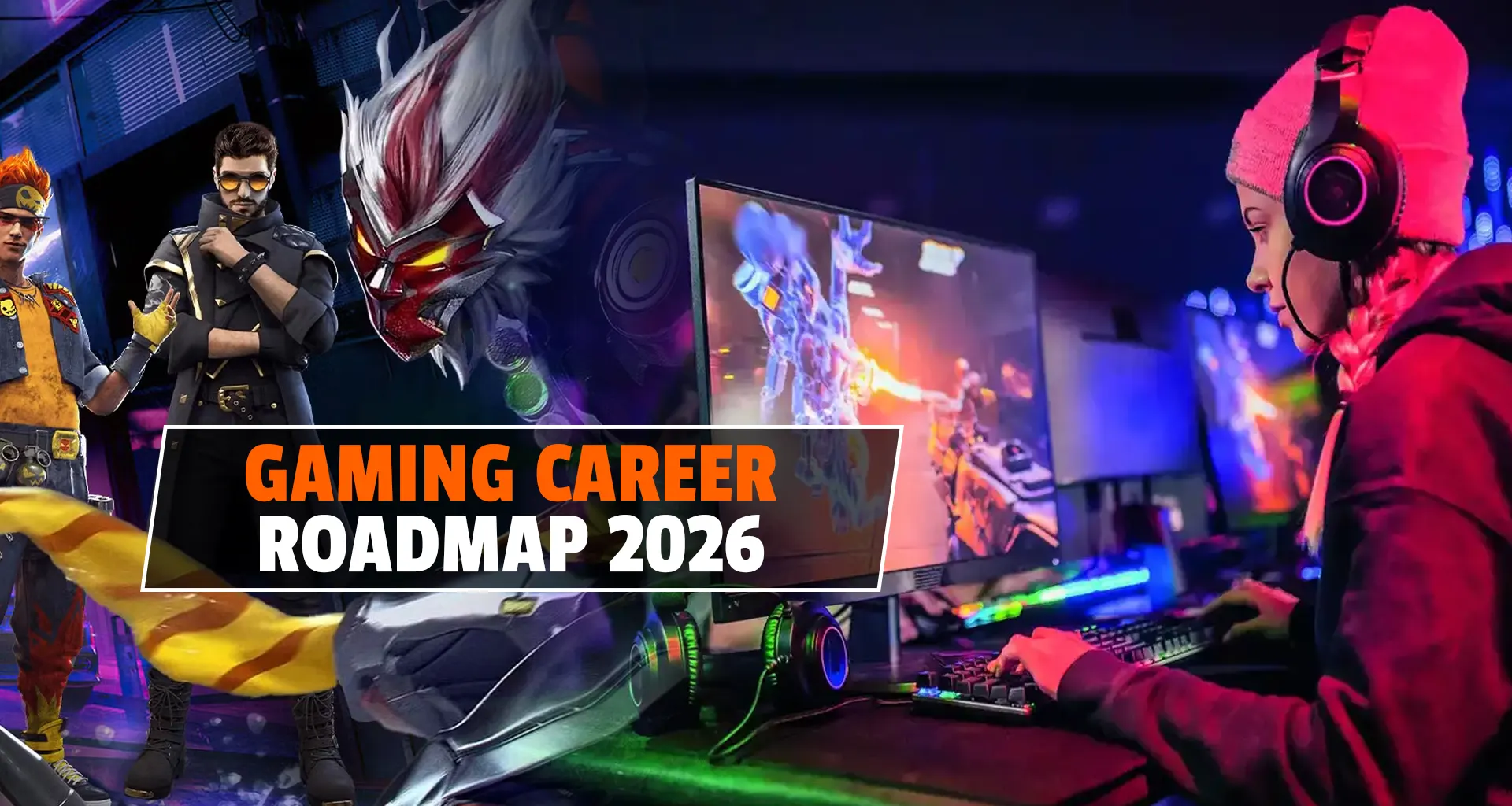

The gaming industry in 2026 is no longer just about playing games; it’s about building worlds, designing economies, managing communities, broadcasting esports, and running live digital ecosystems. From indie developers to AAA studios, from content creators to esports analysts, gaming has evolved into a multi-disciplinary career universe.
If you’re serious about building a career in gaming, here’s your practical roadmap for 2026.
Understand the Industry Landscape
Gaming today includes multiple verticals:
- Game Development (Design, Programming, Art, Audio)
- Esports & Competitive Gaming
- Content Creation & Streaming
- Game Marketing & Community Management
- QA Testing & Live Operations
- Game Journalism & Analysis
- Game Education & Training
Platforms like Unity Technologies and Epic Games (makers of Unreal Engine) have lowered entry barriers, while streaming platforms such as YouTube and Twitch have turned players into entertainers.
Before choosing a path, ask:
- Do you enjoy creating or competing?
- Are you technical, creative, analytical, or business-oriented?
- Do you prefer teamwork or solo work?
Choose Your Career Path (And Specialize Early)
In 2026, generalists struggle. Specialists win.
Game Development Path
- Learn Game Design Principles
- Master one engine: Unity or Unreal
- Learn C# (Unity) or C++ / Blueprints (Unreal)
- Build 3–5 playable projects
- Create a public portfolio (itch.io, GitHub)
Emerging demand areas:
- Multiplayer systems
- Live service game design
- Mobile optimization
- Technical art
Esports & Competitive Gaming
Career roles include:
- Pro player
- Analyst
- Team manager
- Coach
- Tournament organizer
- Broadcast talent
Games like Valorant, BGMI, and Dota 2 continue to drive esports ecosystems, especially in India and Southeast Asia.
If you’re in India, grassroots tournaments and college leagues are growing fast. Skill + personal branding matters as much as gameplay.
Content Creation & Streaming
You don’t need to be the best player; you need personality and consistency.
Skills required:
- Editing (Premiere Pro / DaVinci)
- Thumbnail design
- Storytelling
- Audience psychology
- Community engagement
Diversify beyond gameplay:
- Reaction content
- Educational breakdowns
- Industry commentary
- Game reviews
Build Skills, Not Just Certificates
Many gaming courses promise jobs but fail to create hireable talent because they focus on theory over execution.
In 2026, studios hire:
- People who can show real projects
- Developers who understand production pipelines
- Designers who can prototype quickly
- Communicators who can work in teams
What to do:
- Join game jams
- Contribute to open-source projects
- Intern with indie studios
- Collaborate on multiplayer prototypes
- Learn Agile/Scrum basics
Master Soft Skills (The Real Differentiator)
Technical skill gets you noticed. Soft skills get you hired.
Focus on:
- Communication
- Feedback handling
- Team collaboration
- Deadline discipline
- Emotional intelligence
Gaming is collaborative. Even solo developers rely on community feedback.
Understand Monetization & Business
Modern games are businesses.
Learn:
- Free-to-play economics
- Battle pass systems
- In-game economies
- Retention metrics (DAU, ARPU, LTV)
- Community building
Studios value candidates who understand how games make money, not just how they look or feel.
Networking is Not Optional
In 2026, opportunities often come from:
- LinkedIn gaming communities
- Discord dev servers
- Game expos
- College tournaments
- Industry webinars
Build your digital presence:
- Share your projects
- Post breakdown threads
- Write mini case studies
- Document your learning journey
Consistency builds credibility.
Avoid Common Mistakes
- Jumping between too many tools
- Copy-paste tutorials without understanding
- Ignoring math & logic (important for game systems)
- Waiting for “perfect” skills before applying
- Comparing your chapter 1 to someone’s chapter 10
The 12-Month Action Plan (2026 Edition)
Months 1–3:
Learn fundamentals + choose specialization.
Months 4–6:
Build 2 small projects + participate in 1 game jam.
Months 7–9:
Create portfolio + start networking + apply for internships.
Months 10–12:
Ship one polished project OR grow a content channel to 5K+ audience.
Consistency beats intensity.
The gaming industry in 2026 rewards creators, strategists, competitors, and communicators. Whether you dream of building the next indie hit, analyzing esports tournaments, or becoming a respected game educator, the opportunity is real.
But this is not a shortcut career.
It demands:
- Discipline
- Continuous learning
- Public visibility
- And real execution
Gaming is no longer “just a hobby.” It’s a full-fledged industry ecosystem.
The question is not whether gaming is a viable career in 2026.
The real question is, are you ready to treat it like one? Keep following the Game Insider Blog for more such interesting articles.