

Bringing massive, system-heavy open worlds to modern platforms, especially the highly fragmented mobile ecosystem, is one of the most demanding engineering challenges in game development today. It requires far more than clever coding; it demands a disciplined technical strategy and a strong production mindset.
In this interview, we sit down with game development veteran Tushar Patil to pull back the curtain on the realities of AAA production, exploring the technical trade-offs, optimization philosophies, and engineering principles required to adapt large-scale games for modern platforms.
What are the biggest technical challenges in bringing classic AAA games to modern mobile platforms?
Tushar Patil: When classic games are brought to modern platforms, particularly mobile, the biggest challenge is preserving the feel of the original experience while operating within significantly tighter hardware constraints.
On mobile devices, limitations around memory bandwidth, CPU budgets, GPU throughput, thermal throttling, and frame timing quickly become critical bottlenecks. At the same time, players often expect an experience that feels comparable to what they remember from consoles or PCs.
Another major challenge is platform fragmentation. Unlike consoles, where developers optimize for a fixed hardware target, mobile development requires supporting a wide range of devices with vastly different performance characteristics.
Beyond rendering and performance, input adaptation also becomes crucial. Porting a game to mobile is not simply about remapping controls; it requires rethinking the entire interaction model. The user experience must be redesigned so that player intent, responsiveness, and timing remain intact across fundamentally different input systems.
How do development teams balance visual fidelity and real-time performance across vastly different hardware?
Tushar Patil: Balancing visual fidelity with real-time performance begins with identifying the non-negotiables, the elements that define the game’s identity. Those core aspects must remain intact, while everything else should be designed to scale intelligently across hardware tiers.
This typically means building flexible technical systems from the start: material tiers, adaptive texture streaming strategies, foliage density controls, and scalable effects budgets that adjust based on available resources.
Whenever possible, we also shift work from runtime to prebaked solutions to reduce computational load.
At a systems level, we constantly ask a critical question: Does this technical complexity translate into meaningful value for the player?
If reducing NPC counts, simplifying AI decision systems, or trimming physics fidelity preserves the overall gameplay experience, those are not compromises; they are strategic optimizations.
What engineering mindsets are most effective for adapting massive open worlds across multiple platforms?
Tushar Patil: The most important mindset is understanding that optimization is not a late-stage activity; it’s a production philosophy.
Performance budgets should be defined early and clearly communicated across all disciplines. Everyone on the team needs to understand the constraints they are designing within.
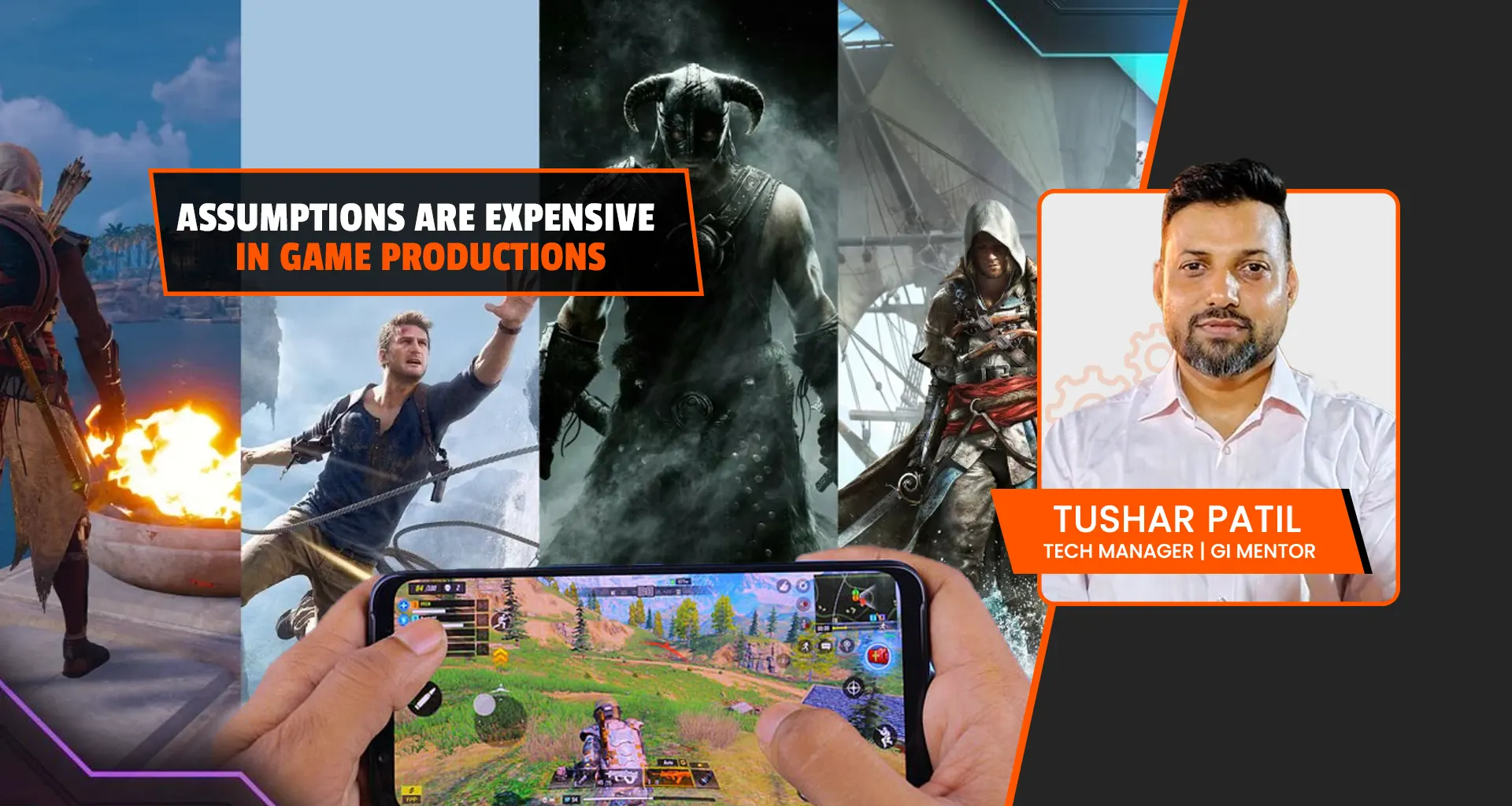
Continuous profiling and measurement are also essential. Assumptions are expensive in large-scale productions; real data must guide decisions.
Systems should be architected with space and time complexity in mind from the very beginning, rather than retrofitted later.
Asset discipline is equally important. In large open-world projects, unchecked content growth often becomes the biggest performance risk. Without strong oversight, assets can quickly exceed technical limits and destabilize performance across platforms.
How do you prioritize technical improvements, like 60 FPS or enhanced visuals, without losing the game’s original feel?
Tushar Patil: The first step is identifying the core DNA of the game, the elements that make the experience recognizable and memorable for players. That foundation must always remain protected.
Once those pillars are defined, responsiveness takes priority over visual enhancements.
Players are far more sensitive to frame drops and input latency than they are to slightly reduced visual detail. Even small inconsistencies in frame pacing can significantly impact how a game feels.
A visually stunning game that doesn’t run smoothly will never deliver the experience players expect. In most cases, a stable and responsive frame rate will always matter more than marginal visual upgrades.
About the Interviewee
Tushar Patil is the Technical Manager at Tara Gaming, where he is currently working on the highly anticipated Indian AAA title The Age of Bhaarat.
A veteran engineer with over a decade of experience at Ubisoft, Patil progressed from Gameplay Programmer to Senior Lead Programmer, overseeing technical production, engine optimization, and live operations for both mobile and AAA titles, including Starlink and Growtopia.
Alongside his work in development, Patil also serves as a mentor at Game Insider, where he actively guides and supports the next generation of game engineers entering the industry.
Keep following the GI Blog for more such informative articles and interviews.