
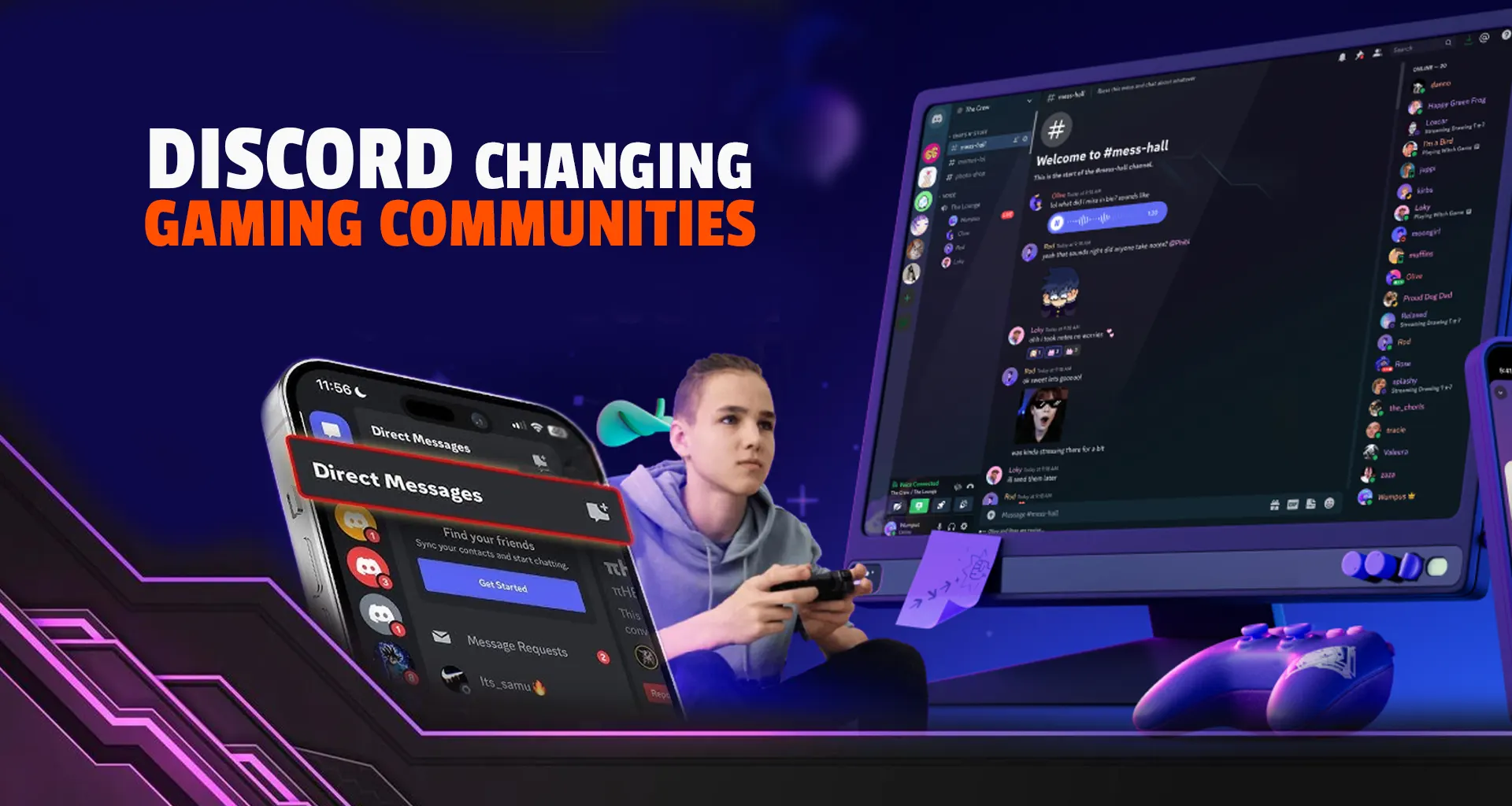

Gaming communities have moved. They no longer live in public forums or comment sections. Today, the real action happens in Discord servers and invite-only spaces.
This shift has changed everything. Gaming groups are no longer just public audiences; they are private networks.
From Open Forums to Private Spaces
In the early days, gaming thrived on open platforms like Reddit, Facebook, and YouTube. Anyone could watch or join in. However, as these groups grew, they became noisy. Spam, toxicity, and poor moderation made it hard to have a real conversation.
Discord changed the game by offering:
- Gated Access: Moderators control who enters.
- Roles: Titles define your identity and status.
- Channels: Conversations are organized by specific topics.
For gamers, this feels personal. For developers, it makes a massive community feel manageable.
Discord: The New Community HQ
Discord is the backbone of modern gaming. It is the primary hub for esports teams, indie developers, and streamers. It is where news breaks first and where fans interact daily.
The platform creates a “persistent identity.” Through usernames, badges, and activity levels, members earn social status. Long-term members become leaders, while new members quickly learn the ropes.
The Rise of DMs and Micro-Communities
Private DMs (Direct Messages) are now powerful tools for networking. Many of the most important connections happen one-on-one:
- Players reach out to coaches for help.
- Creators chat directly with their most loyal fans.
- Recruiters scout new talent quietly.
In this new world, authenticity wins. A single personal message carries more weight than a massive public broadcast.
Drop Culture and Scarcity
Gaming has adopted “drop culture” from the world of high-end fashion. It relies on limited access to create excitement. This includes:
- Closed beta keys and early access.
- Exclusive in-game skins or digital collectibles.
- Invite-only tournaments.
Access is the new currency. When access is limited, members feel “chosen” rather than marketed to. However, this also creates a risk of gatekeeping. If a community is too private, it can become an echo chamber.
Who Holds the Power?
The power dynamics have shifted.
- Moderators now shape the culture more than algorithms do.
- Community Managers act as hosts, not just advertisers.
- Active Players gain influence by being helpful, regardless of their follower count.
This model favors small creators and indie teams who focus on relationships over reach.
The Challenges Ahead
This new model isn’t perfect. Because info is hidden in private servers, it is harder for new players to find where the “real” conversation is happening.
There is also the risk of burnout. Community leaders are expected to be online 24/7. Managing DMs and servers is emotionally exhausting work.
The Future of Belonging
The future of gaming isn’t about having the biggest server or the most followers. It’s about building trust.
For players, engagement matters more than visibility. For developers, listening beats broadcasting. Gaming communities are no longer just places you visit—they are places where you belong.
Don’t just read about it, experience it. Game Insider is building the future of this conversation inside our community. Apply for access and join the inner circle of creators and developers today