
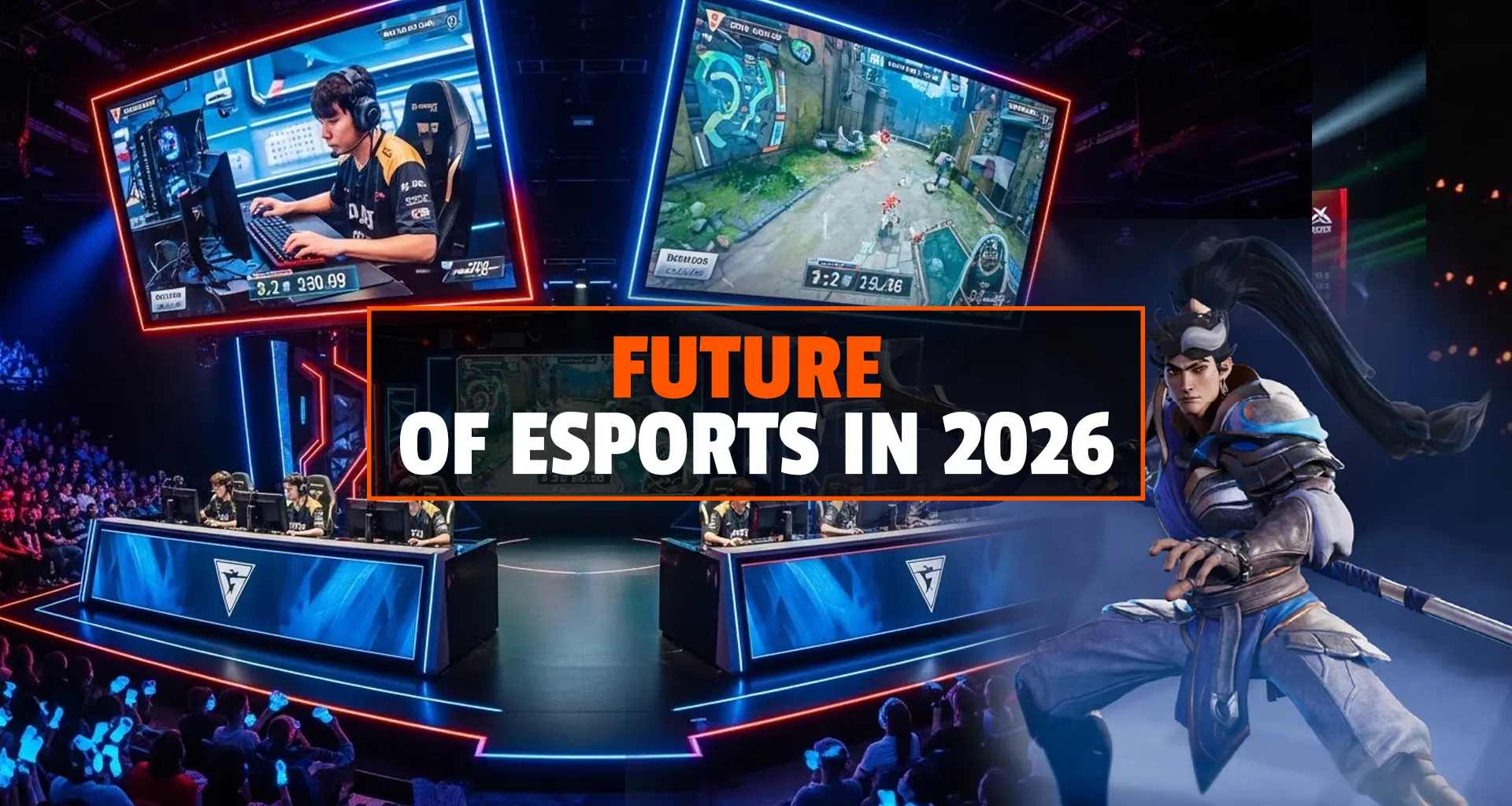

Esports in 2026 is no longer just a fast-growing industry; it is a maturing global entertainment powerhouse. What started as competitive gaming tournaments streamed to niche audiences has evolved into packed arenas, multi-million-dollar prize pools, university programs, franchise leagues, and government-backed initiatives.
So what exactly is shaping esports in 2026, and where is it heading next?
A Truly Global Industry
One of the biggest signs of esports maturity is scale. International tournaments are drawing audiences comparable to traditional sports finals. Events like the Esports World Cup have elevated competitive gaming into a global spectacle, bringing together multiple titles under one massive competitive umbrella.
At the same time, flagship circuits such as the Valorant Champions Tour and the League of Legends World Championship continue to set viewership records. These tournaments are no longer just gaming events — they are cultural festivals, complete with music performances, cinematic opening ceremonies, and international fan communities.
In 2026, esports isn’t confined to North America, Europe, or East Asia. The Middle East, Southeast Asia, India, and Latin America are aggressively expanding their competitive ecosystems, making esports truly global.
Mobile Esports Leads the Charge
If there’s one defining shift of the decade, it’s the rise of mobile esports.
Games like PUBG Mobile and Mobile Legends: Bang Bang have built enormous competitive scenes, particularly in Asia and emerging markets. Affordable smartphones and improved internet access have made competitive gaming accessible to millions who never owned high-end PCs or consoles.
In countries like India, mobile esports is often the entry point for aspiring professionals. With structured tournaments, brand sponsorships, and grassroots events, the mobile ecosystem is no longer “secondary” — it’s a dominant force.
Technology Is Reshaping Competition
Technology in 2026 is deeply integrated into esports performance and broadcasting.
AI-powered analytics tools now help teams review gameplay with advanced data breakdowns. Coaches can analyze player positioning, reaction times, and tactical errors in real time. This has raised the overall skill ceiling — professional esports today is far more strategic and data-driven than it was five years ago.
On the viewing side, interactive streams allow fans to choose camera angles, access live stats, and engage directly during broadcasts. Some tournaments are experimenting with augmented reality overlays inside arenas, creating immersive viewing experiences both online and offline.
Business Models Are Evolving
While esports has grown rapidly, 2026 is also about sustainability.
Earlier in the decade, several organizations struggled financially due to overspending and unrealistic revenue expectations. Now, teams are focusing on:
- Smarter sponsorship deals
- Content creation and influencer branding
- Merchandising
- Regional fan engagement
Franchise leagues and long-term publisher partnerships provide greater financial stability. At the same time, brands outside gaming — automotive, telecom, fintech, and energy drinks — are increasingly investing in esports marketing.
The industry is learning that hype alone isn’t enough; profitability and structure matter.
Education and Career Pathways
Esports careers in 2026 extend beyond being a pro player.
Universities now offer esports scholarships and management degrees. Career options include:
- Professional player
- Coach or analyst
- Broadcast talent
- Event production manager
- Esports marketing executive
- Data analyst
- Game operations specialist
This diversification makes esports more resilient. Even if competitive careers are short-lived, the ecosystem supports long-term professional growth.
Challenges That Remain
Despite progress, esports still faces hurdles:
- Financial sustainability for smaller teams
- Player burnout due to intense training schedules
- Regulation and global governance consistency
- Cheating and match-fixing concerns
Publishers and tournament organizers are tightening anti-cheat systems and improving player welfare policies, but long-term structural solutions are still evolving.
What to Expect Beyond 2026
Looking ahead, several trends seem likely:
- Deeper integration with traditional sports – More collaborations between football clubs, NBA teams, and esports franchises.
- Olympic-style recognition – Continued development of structured international multi-title competitions.
- Greater regional balance – Emerging markets producing world-class champions.
- More hybrid entertainment formats – Esports events blending concerts, influencer boxing, and gaming festivals.
Esports is transitioning from explosive growth to strategic expansion.
Competitive gaming has firmly secured its place in mainstream entertainment. Whether you’re an aspiring pro, content creator, analyst, or entrepreneur, 2026 presents more opportunities than ever — but also demands higher professionalism.
Esports is no longer just the future.
It’s the present, and it’s evolving fast.