
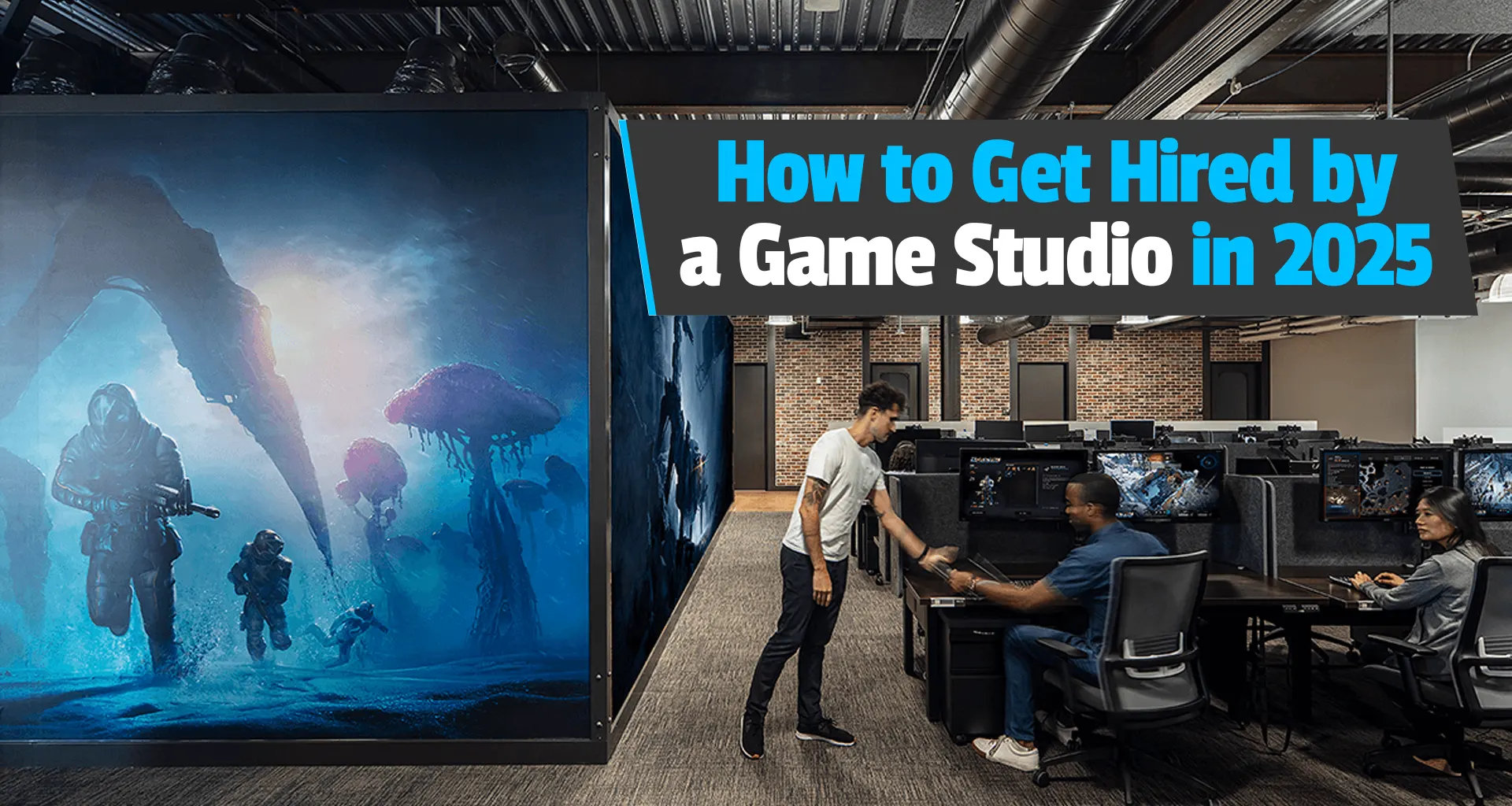

The gaming industry is one of the most competitive fields to break into, but with the right skills and approach, you can land a role in a top studio. Whether you’re looking to become a game developer, artist, designer, or producer, knowing what game studios look for when hiring can give you a huge advantage.
If you’re serious about starting a career in gaming, structured learning can help you stand out. Game Insider’s expert-led courses provide industry insights, technical skills, and portfolio-building strategies to help you get noticed by recruiters.
So, what exactly do studios want? Let’s break it down.
1. A Strong Portfolio That Shows What You Can Do
Resumes matter, but in the gaming industry, your portfolio is your golden ticket. Studios want to see real projects—whether it’s a fully developed game, a well-crafted level design, or high-quality 3D models.
- Game developers should showcase gameplay mechanics, AI programming, or multiplayer functionality.
- Game artists should include polished 2D/3D assets, animations, and environment designs.
- Game designers should highlight well-balanced mechanics, engaging level layouts, and player feedback loops.
Even if you don’t have professional experience, personal projects and indie games count. Game jams, mods, and side projects can demonstrate your creativity and technical skills.
Not sure how to build a standout portfolio? Game Insider’s Game Development Portfolio Course walks you through what hiring managers look for and how to structure your work.
2. Technical Skills That Match the Role
While passion is great, studios need professionals who can hit the ground running. Here are some must-have skills based on common gaming roles:
- Game Programmers – Proficiency in Unity (C#), Unreal Engine (C++), Python, or JavaScript.
- Game Artists – Experience with Blender, Maya, Substance Painter, Photoshop.
- Game Designers – Deep knowledge of game mechanics, UX/UI design, and player psychology.
- Game QA Testers – Familiarity with bug tracking tools, test automation, and Agile workflows.
If you’re missing key skills, consider enrolling in targeted courses to build your expertise. Game Insider’s Game Development Fundamentals Course covers core concepts for aspiring developers, while the Advanced Game Art Course helps artists refine their skills.
3. Experience with Industry Tools & Engines
Game studios use industry-standard tools, and having hands-on experience with them can set you apart. The most in-demand ones include:
- Game engines – Unity, Unreal Engine, Godot
- Version control – Git, Perforce
- 3D modeling – Blender, Maya, ZBrush
- Animation tools – Spine, Adobe After Effects
- Audio tools – FMOD, Wwise
If you’re serious about getting hired, learning these tools is a must. Game Insider’s Unity and Unreal Engine courses teach you how to use these engines to create industry-ready projects.
4. Teamwork & Communication Skills
Game development isn’t a solo effort—collaboration is key. Studios want professionals who can work well in teams, accept feedback, and contribute to problem-solving.
Some key soft skills include:
- Clear communication – Being able to explain ideas and solutions effectively.
- Adaptability – Handling feedback and changes in game development cycles.
- Project management – Familiarity with Agile, Scrum, and production pipelines.
If you’re aiming for leadership roles, understanding project management and game production is essential. Game Insider’s Game Production Course teaches the skills needed to manage development cycles and coordinate teams effectively.
5. A Passion for Gaming & Industry Knowledge
Game studios want people who understand games deeply—not just as players, but as creators. Being able to analyze mechanics, understand industry trends, and show enthusiasm for game development can make a difference in an interview.
- Follow gaming news and trends.
- Play different genres and break down their mechanics.
- Engage in gaming communities and networking events.
Understanding the business side of gaming—LiveOps, monetization strategies, and player engagement—can also give you an edge. If you want to stand out, Game Insider’s Game Business & Monetization Course can help you learn what makes games commercially successful.
How to Get Noticed & Land Your First Job
Here’s a simple action plan to boost your chances of getting hired by a game studio:
- Build and refine your portfolio with at least 2-3 solid projects.
- Strengthen your technical skills by learning industry-standard tools.
- Gain practical experience through game jams, freelance work, or indie projects.
- Network with industry professionals on LinkedIn, Discord, and gaming conferences.
- Stay updated on hiring trends and look for internships or junior roles.
The gaming industry is competitive, but with the right skills, projects, and industry knowledge, you can break in and build a successful career.
If you’re serious about landing a job in a game studio, Game Insider World offers expert-led courses in game development, design, production, and business. Learn from industry professionals, build a job-ready portfolio, and take the first step toward your dream career in gaming.