
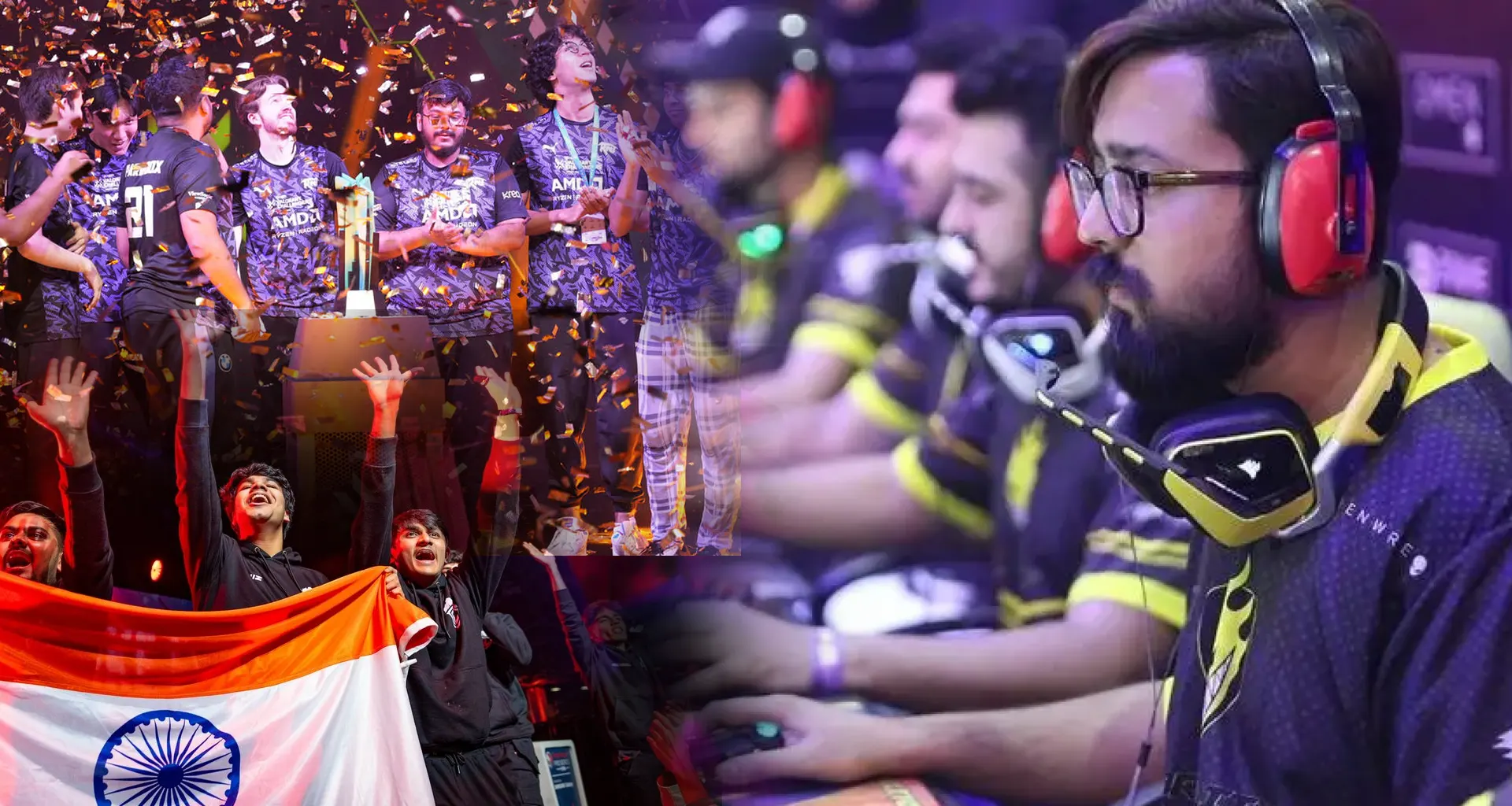

India loves winners. We celebrate trophy moments, viral plays, massive prize pools, and overnight success stories in esports. Champions are interviewed, creators are spotlighted, and highlight clips circulate endlessly across social media. But behind every skilled player and successful team lies something far less visible and far less celebrated: teaching.
Esports in India have grown rapidly over the last decade, but its foundation remains uneven. While we applaud the results, we consistently ignore the people who help build the skills, discipline, and understanding that lead to those victories. Coaches, analysts, mentors, and educators rarely receive the recognition or support they deserve.
The Obsession With Outcomes
Indian esports culture is heavily outcome-driven. Winning a tournament is treated as proof of talent. Losing often means being forgotten. This mindset leaves little room for appreciating the process of growth.
When a player succeeds, the narrative focuses on raw skill, grind, or luck. Rarely do we ask who trained them, who reviewed their VODs, who corrected their mistakes, or who helped them understand the game at a deeper level. Teaching happens quietly, behind the scenes, without cameras or applause.
This creates a distorted perception of how esports careers are built. Aspiring players are led to believe that success is purely individual when, in reality, it is guided, structured, and coached.
Esports Teachers Exist, But They Are Invisible
India does have esports educators. Coaches who run practice sessions, analysts who break down strategies, and mentors who help players navigate pressure, teamwork, and professionalism. Many of them operate without formal titles, stable pay, or long-term security.
Unlike traditional sports, esports in India lacks established pathways for teaching. There are few standardized certifications, no clear career ladder, and minimal institutional backing. As a result, teaching is often treated as optional rather than essential.
This invisibility discourages experienced professionals from stepping into mentorship roles. Why teach if there is no recognition, respect, or sustainable future?
Why This Is a Problem
Ignoring esports teachers slows the ecosystem’s growth. Without structured learning, players rely on trial and error. Teams repeat mistakes. Talent burns out early. Potential is wasted.
Countries with mature esports ecosystems invest heavily in coaching, analysis, and education. They understand that winning is the outcome of good teaching, not a replacement for it.
If India wants consistent international success, it must shift focus from celebrating moments to building systems.
Changing the Narrative
Esports teachers do not need celebrity status. They need visibility, credibility, and support. Platforms, organizations, and media must start telling stories about learning, not just winning.
Recognizing educators changes how newcomers approach esports. It creates healthier expectations, longer careers, and stronger teams.
India will continue to celebrate champions. That should never stop. But until we also celebrate the teachers behind them, Indian esports will remain top-heavy, impressive on the surface, and fragile at its core.
True growth begins when learning is valued as much as victory.
Keep following Game Insider for more such opinion-based articles.