
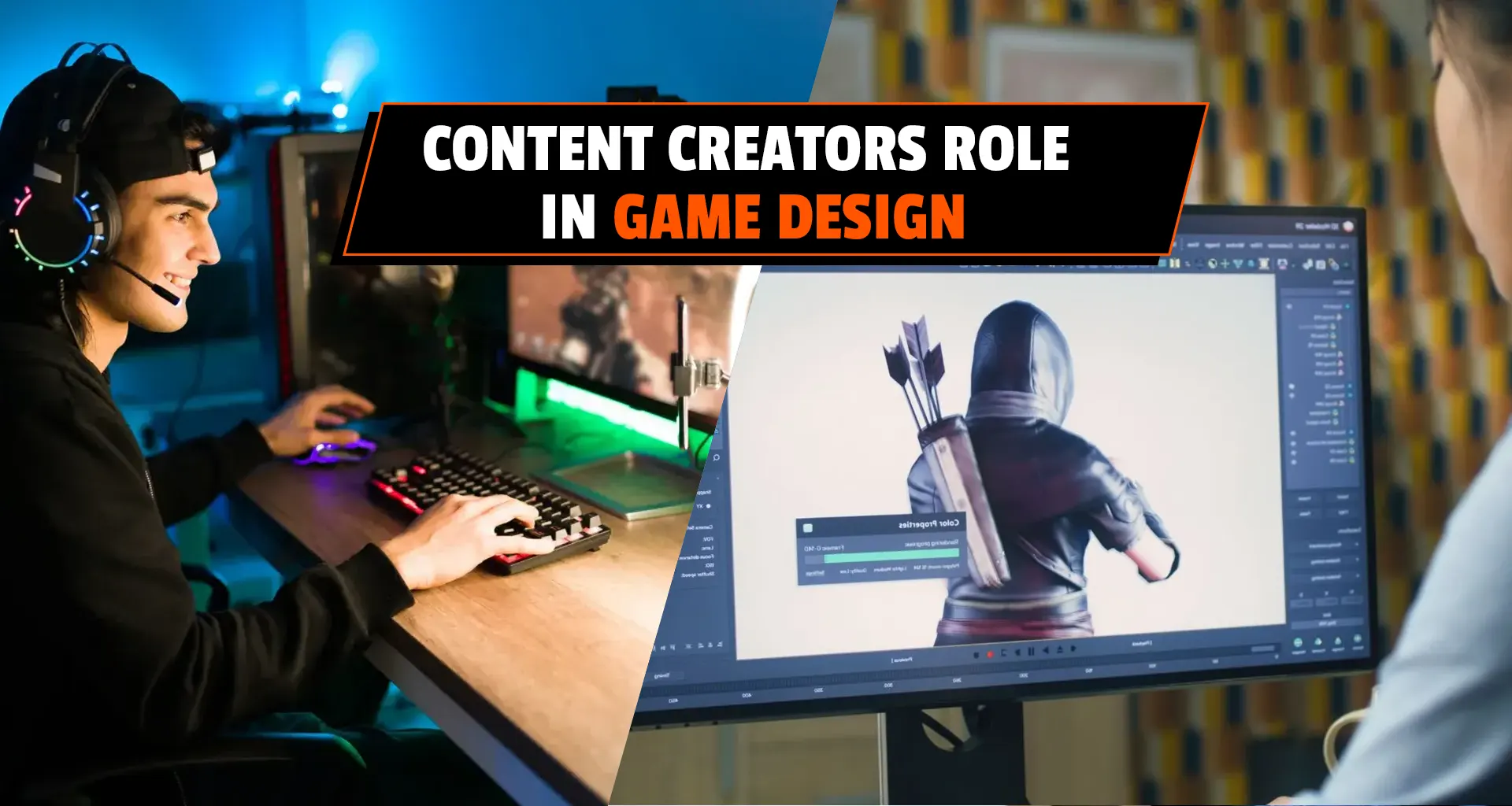

It used to be simple. Game devs made the game. Players played it. Streamers just entertained us while doing crazy stuff in-game. But now, the line between devs and content creators is starting to blur—and it’s changing how games are actually designed.
More and more, studios are paying attention to what streamers are saying, doing, and playing. Some creators even get early access to builds and have direct input on balance, features, and content. So the big question is: Are content creators shaping modern game design? In my opinion, yeah, kind of.
The Rise of Creator Influence
Let’s be real—streamers and YouTubers can make or break a game now. One viral clip, one review, or one community event can push a title into the spotlight overnight. Devs know this, and they’re watching.
Some games even get adjusted because of how they’re played on stream. For example:
- Escape from Tarkov tweaks gun balance and map flow based on what top streamers struggle with.
- Apex Legends balances weapons after big creators point out exploits or gameplay loops that break the experience.
- Among Us literally added new features after creators turned the game into a global hit two years after release.
It’s not just “influence”—it’s actual impact.
Creators as Playtesters (Who Just Happen to Be Famous)
Some studios are basically using big creators like real-time playtesters with massive audiences. They’ll give them early access, monitor feedback, and sometimes even change direction based on what content creators are enjoying—or not enjoying.
In some cases, devs even invite streamers to private test sessions before the public sees anything. That kind of direct access used to be only for QA testers and pros. Now, someone who streams 8 hours a day has a real say in how the game evolves.
Why It Makes Sense
Let’s be honest—streamers know what works. They spend hours in-game, they know what frustrates players, and they understand what content gets people hyped. When a dev team has been working on a title for years, it’s easy to get tunnel vision. Having outside eyes—especially from people who live and breathe games—is valuable.
Plus, creators know what’s fun to watch, not just play. And that matters a lot in today’s world, where a game’s popularity is often tied to how shareable or “streamable” it is.
But Is That Always a Good Thing?
Here’s where things get tricky. Not all content creators are game designers. Just because something makes a good stream doesn’t mean it’s balanced, fair, or fun for everyone. If devs listen too much to the top 1%, they risk ignoring casual players who make up the majority of the player base.
Also, chasing “what’s trending” can lead to games losing their original identity. Constant changes to please the algorithm might bring short-term views, but they can hurt the long-term community.
So yeah, creator influence is powerful—but it needs to be balanced.
Real Collaboration is the Future
The best studios are the ones that:
- Collaborate with creators while still sticking to their design vision
- Use feedback from all levels of players, not just the biggest streamers
- Build games with streamability in mind, but not at the cost of quality
Some developers are even hiring creators directly—either as community managers, advisors, or full-on game designers. It’s not just fans watching the stream anymore. Sometimes, the devs are in chat, taking notes.
The line between streamer and dev is getting thinner every year. Content creators aren’t just playing the game—they’re helping shape it. And while that brings some challenges, it also opens up a lot of potential for more connected, community-driven design.
So next time your favourite streamer complains about a broken weapon or weird game mechanic… there’s a decent chance the devs are already watching—and planning a patch. Keep following Game Insider World for more interesting takes on games and development.