
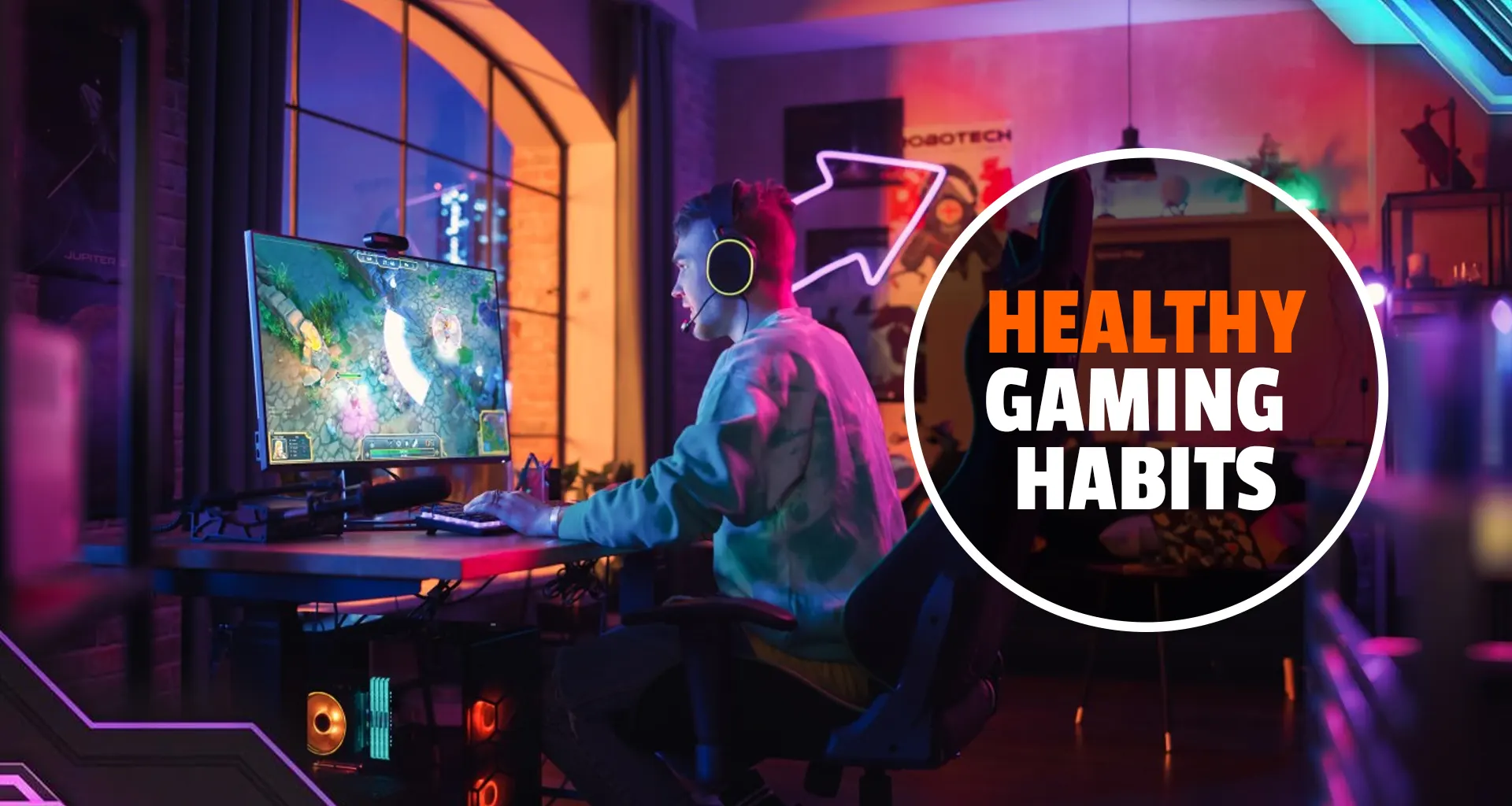

Gaming has evolved into more than just a pastime; it is now a serious pursuit for many, whether as a competitive e-sport, a creative outlet, or even a career. However, with longer play sessions and increasing screen time, maintaining healthy gaming habits has become essential.
Playing games for extended hours without balance can lead to physical discomfort, mental fatigue, and a decline in overall performance. The key is not to reduce gaming entirely, but to approach it in a way that supports both your well-being and your rank.
Time Management for Better Performance
Many players fall into the loop of continuous matches or long sessions without realizing how quickly fatigue sets in. Over time, this reduces focus and your decision-making ability.
Taking short, regular breaks allows your mind to reset and improves overall performance.
- The 50/10 Rule: For every 50 minutes of intense gaming, step away from the screen for 10 minutes.
- Use the Lobby: Use matchmaking queue times to stand up, stretch your legs, or grab a drink. Stepping away for even a few minutes can make a noticeable difference in reaction time and clarity when returning to the game.
Posture & Physical Health
Physical health plays a crucial role in sustaining long-term gaming. Sitting for hours with poor posture can lead to back pain, neck strain, and wrist discomfort. A comfortable setup does not require expensive equipment; it simply requires awareness of how your body is positioned.
- The 90-Degree Rule: Adjust your chair and desk so your knees, hips, and elbows all rest at comfortable 90-degree angles, with your feet flat on the floor.
- Monitor Height: Keep the top third of your monitor at eye level to prevent neck strain.
- Queue Stretches: Do simple wrist rotations and roll your shoulders back while waiting for your next match to load to prevent repetitive strain injuries.
Protecting Your Eyes During Long Gaming Sessions
Equally important is protecting eye health, especially in an era dominated by mobile and PC gaming. Continuous exposure to screens can strain the eyes, causing dryness, blurred vision, and headaches.
To reduce eye fatigue, try implementing these quick habits:
- The 20-20-20 Rule: Every 20 minutes, look at an object 20 feet away for 20 seconds. This resets your focus and relaxes the eye muscles.
- Adjust Your Display: Lower your monitor’s brightness to match the room’s lighting, and utilize “night mode” or blue-light filters during late sessions.
- Blink Intentionally: Gamers blink significantly less when focused on a screen. Make a conscious effort to blink during loading screens or respawn timers to keep your eyes lubricated.
Avoiding Gaming Burnout
Mental well-being is another factor that often goes unnoticed. Competitive gaming, while exciting, can also be mentally exhausting. Losing streaks, the pressure to perform, and toxic interactions can quickly lead to frustration, “tilt,” or complete burnout.
- The Two-Loss Rule: If you lose two ranked or highly competitive matches in a row, force yourself to switch to a casual game mode or take a 15-minute break.
- Mute Freely: Don’t hesitate to mute toxic teammates. Gaming should remain enjoyable, not something that creates constant stress or an emotional drain.
The Importance of Sleep and Nutrition
Sleep is often the first sacrifice gamers make, especially during late-night grinds. However, a lack of proper rest directly impacts reaction time, focus, and overall cognitive performance. Consistent sleep patterns not only improve in-game performance but also support overall health.
- Gamify Your Hydration: Keep a large water bottle at your desk and make it a goal to finish it by the end of your session.
- Smart Snacking: Replace excessive caffeine and heavy junk food with lighter snacks like almonds, fruit, or protein bars to maintain sustained energy levels without the inevitable sugar crash.
Balancing Gaming with a Healthy Lifestyle
Ultimately, the idea of healthy gaming comes down to balance. Gaming should complement life, not consume it entirely. Engaging in physical activity, spending time away from screens, and maintaining social connections all contribute to a more stable and enjoyable gaming experience. Interestingly, players who maintain this balance often perform better, as they approach games with a clearer mind and a more focused attitude.
Healthy gaming habits are not restrictions; they are upgrades. They allow players to enjoy gaming for longer periods without burnout, improve performance, and maintain overall well-being. In a world where gaming continues to grow rapidly, learning how to play smart is what truly sets players apart.
For more such helpful content, keep following Game Insider Blog.