
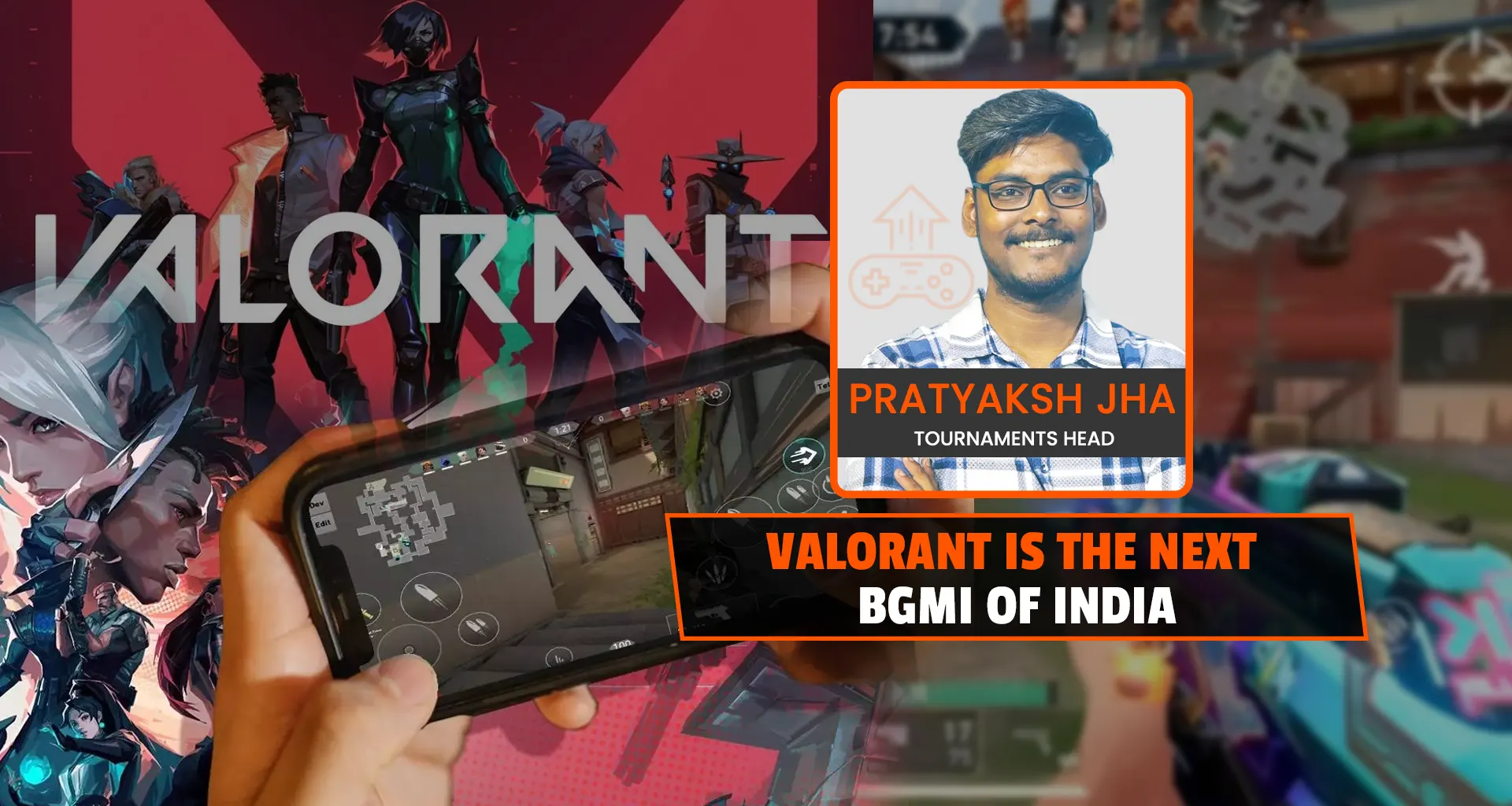

Esports tournaments look simple from the outside: players compete, brackets progress, and champions emerge.
But behind every successful tournament is a complex system of player management, scheduling decisions, content strategy, and community building.
Few people understand the ecosystem from as many angles as Pratyaksh Jha.
Having worked as a BGMI coach, analyst, and esports operator, Pratyaksh brings a rare combination of competitive insight and operational experience. His work spans tournament design, player management, and social media strategy for esports personalities and organizations.
We spoke with him about player psychology, the difference between viral content and meaningful community building, and where mobile esports in India is heading next.
You started as a BGMI coach and analyst. How does having the “brain of a coach” help you today when designing player journeys and scheduling tournaments?
Starting as a BGMI coach gave me a very real understanding of what players and teams experience behind the scenes, the long practice hours, the pressure to perform, and the emotional highs and lows that come with competition.
That perspective helps immensely when designing player journeys and tournament schedules.
Tournament operations rarely go exactly as planned. There are moments where you need to be strict to maintain structure and fairness, but there are also moments where you need to step back and remember there’s a human being on the other side of the screen.
Because I’ve worked closely with players before, I can recognize when a schedule is pushing teams too hard or when a small adjustment could significantly improve their mindset and performance.
Ultimately, the “coach’s brain” helps me strike a balance between operational discipline and empathy.
And that balance matters. When players feel understood and respected, the quality of the competition improves naturally.
You’ve handled social media for names like Windgod and Big Brother Esports. In 2026, what kind of content actually builds a loyal community — versus content that only generates empty views?
Relatable content has always built communities, but the way relatability works has evolved dramatically.
Today’s gaming audience, especially Gen Z and Gen Alpha, consumes content extremely quickly through short-form platforms. Trends move fast, and creators who recognize them early often gain the most visibility.
But there’s a key difference between riding a trend and building a community.
Simply copying trends may generate views, but it rarely creates long-term engagement.
The creators who build loyal audiences are the ones who adapt trends creatively and integrate them with their own voice and personality.
Another big shift is how audiences perceive production quality. High production value used to be essential, but today audiences often respond more strongly to raw, authentic content.
Low-effort, high-value content, something that feels spontaneous, genuine, or relatable, often performs better than overly polished videos.
On the other hand, “empty views” typically come from content that is generic or purely trend-driven without originality. It may spike for a day, but it doesn’t give viewers a reason to stay.
In 2026, creators who build lasting communities are the ones who understand internet culture deeply, move quickly, and consistently express a clear personality through their content.
That’s what turns attention into loyalty.
You’ve worked both remotely and on-site in Gurugram. What’s the one thing you can never replicate in an online tournament that only exists at a LAN event?
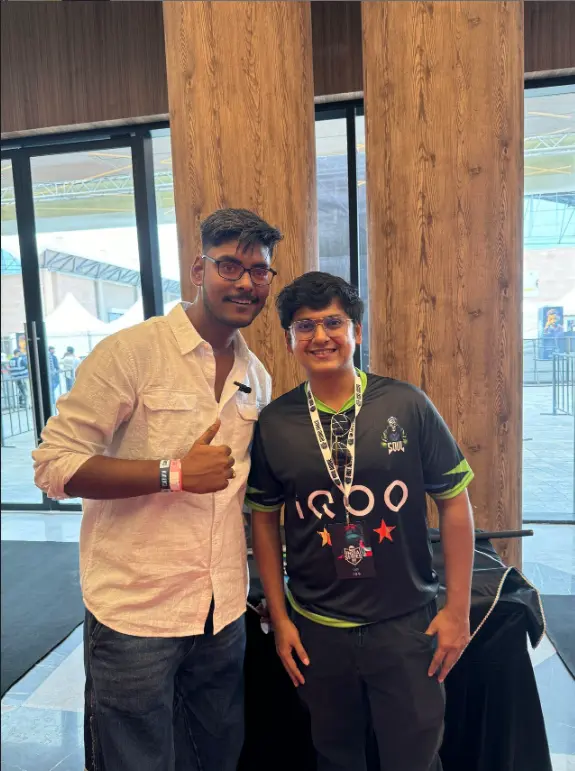
The biggest difference is the experience.
Online tournaments are efficient and scalable, but LAN events operate on a completely different energy.
At a LAN, there’s a constant buzz, players feeding off each other’s presence, teams syncing better because they’re physically together, and operators solving problems in real time.
The pressure is also different. When everything needs to run perfectly on a tight schedule in front of a live audience, the intensity pushes everyone, players and organizers alike, to be sharper.
Most importantly, real relationships are built at LAN events.
You build stronger bonds with your teammates, deeper trust with players, and a much more emotional connection with the audience watching live.
The nerves before a match, the reactions after a win, the conversations backstage, those moments turn tournaments into memories.
That’s something online brackets can never fully replicate.
As we move through 2026, mobile-first titles are becoming more important. If you had to bet on one upcoming game becoming the next Tier-1 esports in India, what would it be?
Hands down — Valorant Mobile.
Valorant already has a massive footprint globally and a growing competitive ecosystem in India on PC. Players understand the game, creators are invested in it, and fans are already emotionally connected to teams and storylines.
When a game with that level of brand equity expands to mobile, adoption becomes much faster.
Another key factor is Riot Games’ approach to esports.
Riot has consistently shown that they treat esports as a long-term ecosystem rather than a marketing tool. Their structured leagues, clear competitive pathways, and strong support for teams have made Valorant one of the most stable competitive titles globally.
If even part of that ecosystem strategy translates to the mobile version, it could unlock opportunities across multiple levels, grassroots, collegiate, semi-pro, and Tier-1 competition.
India is fundamentally a mobile-first gaming market, and Valorant Mobile sits right at the intersection of accessibility and competitive depth.
If executed well, it has all the ingredients to become the next BGMI-scale esports phenomenon in India.
Want to read more insightful Mentor Interviews? Check out our Mentor Spotlights page.